
Frizz is frustrating: you spend time styling, step outside, and your hair puffs up the moment the air turns humid. Before you reach for another smoothing serum, take a look at your shampoo. A harsh cleanser can strip away the natural oils that keep hair smooth, leaving it dry and ready to frizz. Switching to a sulfate-free shampoo for frizzy hair, often sold as a smoothing shampoo, is one of the simplest changes you can make. Here's why it works and how to get the most out of it.
What causes frizz?
Frizz happens when hair is dry. Each strand is covered by a layer of overlapping scales, the cuticle. When hair is well moisturized, those scales lie flat and reflect light, so hair looks smooth and shiny. When hair is dry, the scales lift and the strand pulls moisture from the air, swelling unevenly. The result is the fuzzy, unruly texture we call frizz.
Anything that dries hair out makes frizz worse: heat styling, bleach and color, sun, hard water, and shampoos that clean too aggressively.
Why sulfate-free shampoo helps
Sulfates are strong detergents that create a big, rich lather. They're very effective at removing oil, sometimes too effective. Gentler, sulfate-free cleansers still wash away dirt and buildup, but they leave more of your hair's natural oils in place. That means:
- hair stays softer and more moisturized after washing;
- the cuticle stays smoother, so there's less frizz and more shine;
- it's a gentler choice for color-treated and chemically treated hair.
Meet our Pomegranate Sulfate-Free Smoothing Shampoo
The L'emarie Pomegranate Sulfate-Free Smoothing Shampoo is made for dry, frizzy hair. It cleanses gently without stripping, tames frizz and flyaways for a sleek, polished finish, and helps restore softness and shine to dry, rough hair. A fresh, fruity pomegranate blend leaves hair clean, soft and easier to style.
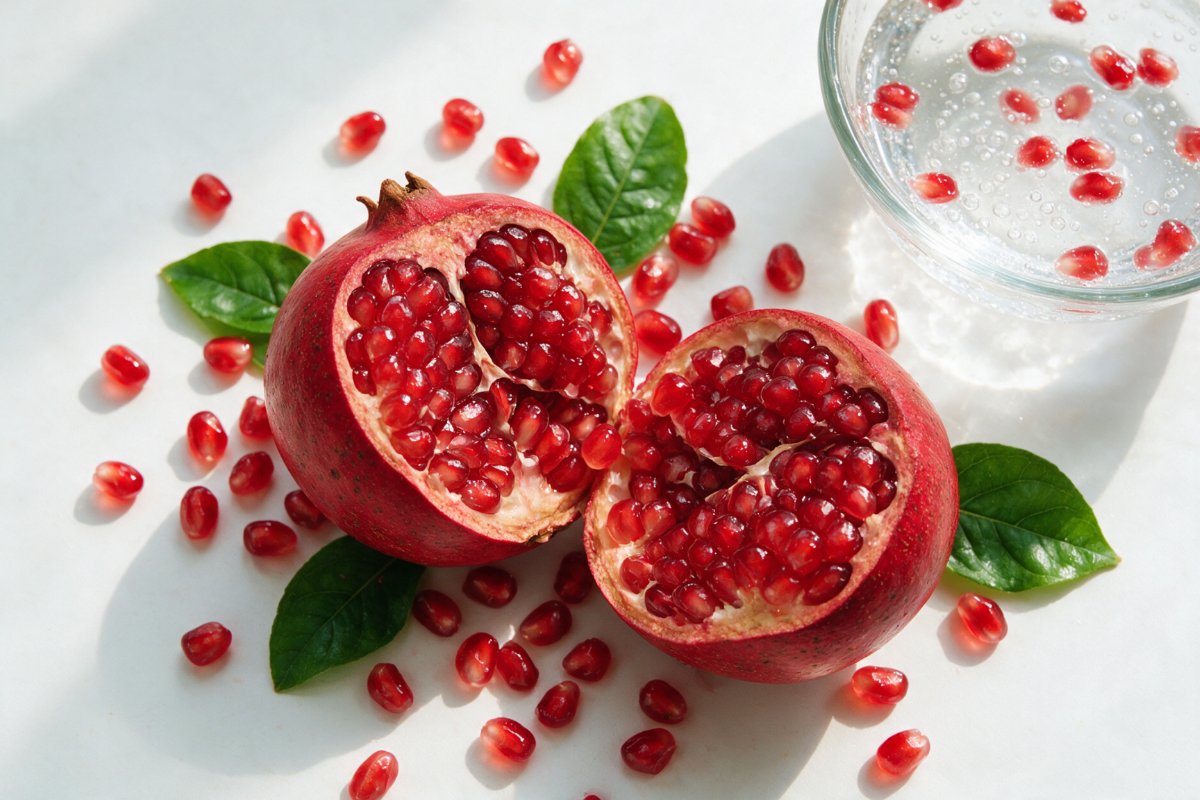
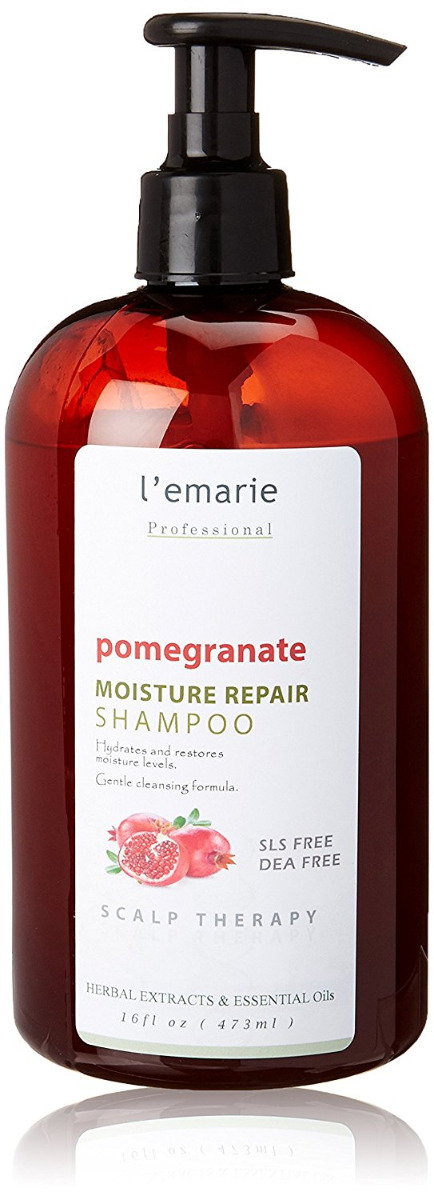
L'emarie Pomegranate Sulfate-Free Smoothing Shampoo.
How to wash dry, frizzy hair, step by step
- Use lukewarm water. Very hot water strips oils and roughs up the cuticle.
- Wet hair thoroughly. Sulfate-free shampoos lather best on fully saturated hair.
- Massage shampoo into the scalp only. Let the lather rinse through the lengths rather than scrubbing the ends, which are the driest part.
- Rinse well. If you use a lot of styling product, wash twice; the second lather is richer.
- Condition every time. Follow with a conditioner or, for very dry hair, a mask like the Nutritive Repair Hair Mask.
- Finish with a cool rinse to help the cuticle lie flat.
More ways to fight frizz
- Dry gently. Squeeze water out with a microfiber towel or cotton T-shirt instead of rubbing.
- Seal in moisture. A leave-in like the Overnight Repair Leave-In Serum smooths flyaways and helps keep humidity out.
- Deep condition weekly with the Wheat Germ & Coconut Hair Mask.
- Keep your hands out. Touching hair while it dries breaks up smooth sections and creates frizz.
- Sleep on satin or silk to reduce friction overnight.
Shop the routine: Pomegranate Sulfate-Free Shampoo · Nutritive Repair Hair Mask · Overnight Repair Leave-In Serum · Shop Frizz Control
Frequently asked questions
Does sulfate-free shampoo really reduce frizz?
It helps. Because it cleanses more gently, it leaves more of your hair's natural oils in place, so hair stays smoother and less prone to frizz, especially when paired with a good conditioner.
Why does my hair feel different after switching to sulfate-free?
Without sulfates, hair can feel softer and less "squeaky clean." That's moisture staying in. Give your hair a couple of weeks to adjust.
Is sulfate-free shampoo better for color-treated hair?
Sulfate-free shampoos are generally a gentler choice for color-treated and chemically treated hair.
How often should I wash frizzy hair?
Most people with dry, frizzy hair do best washing every 2 to 3 days, but follow what your scalp needs.
Can men use it?
Yes. The Pomegranate Smoothing Shampoo is made for women and men.
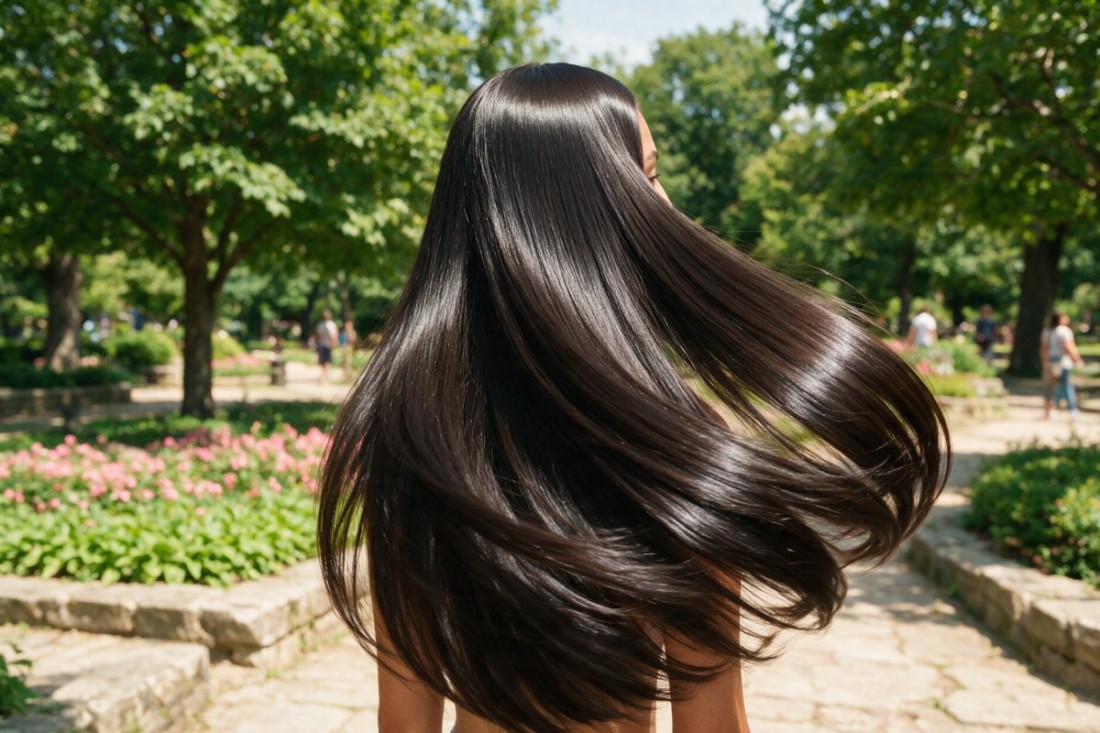
The photos of people and ingredients in this article were created with AI.