

Ever bought a leave-in that a friend raves about, only to find it sitting on top of your hair like a film? Or a cream that seems to vanish an hour after you put it on? The reason is often hair porosity: how easily your strands take in water and hold on to it. A quick hair porosity test at home takes about two minutes, and it tells you more about which products will work for you than your curl pattern alone.
What hair porosity actually means
Each strand of hair is covered by a thin outer layer called the cuticle, made of tiny overlapping scales, a bit like roof tiles. How tightly those scales lie decides how water and product move in and out:
- Low porosity: the scales lie flat and tight. Water and product have a hard time getting in, but once moisture is inside, it stays.
- Medium porosity: the scales are slightly lifted. Hair takes in moisture easily and keeps it reasonably well. This is the easiest type to care for.
- High porosity: the scales are raised or worn. Hair drinks up water fast but loses it just as fast, so it can feel dry, rough and frizzy soon after styling.
Porosity is partly something you're born with, and partly the result of how hair is treated. Bleach, color, relaxers, frequent heat and sun can all lift the cuticle over time, which is why your ends may be more porous than your roots.
How to do a hair porosity test at home
Start with clean hair that has no product in it, so oils and styling residue don't skew the result. Then try one or more of these:
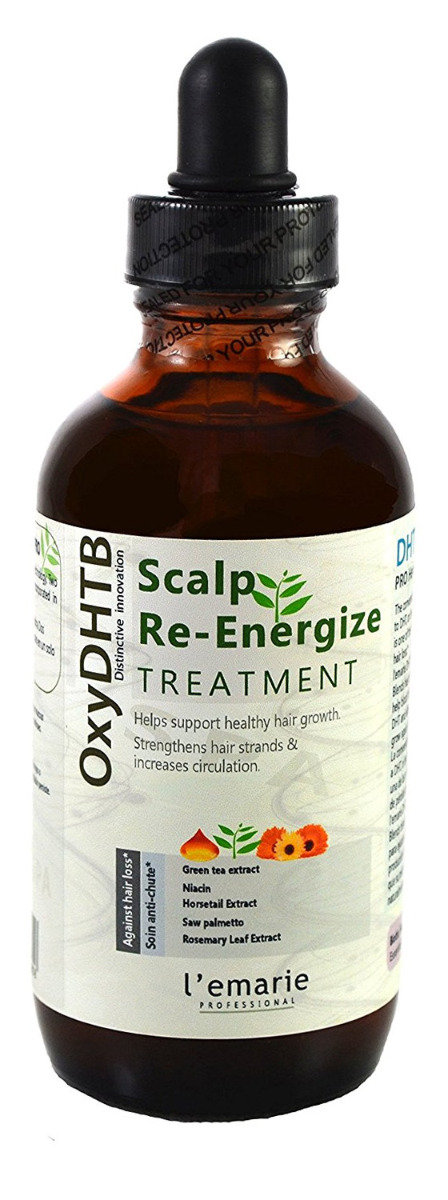
- The float test. Drop a few shed strands into a clear glass of room-temperature water and wait 3 to 4 minutes. Strands still floating on top lean low porosity. Strands that sink slowly to the middle lean medium. Strands that drop quickly to the bottom lean high porosity.
- The spray test. Mist a dry section of hair with water. If the drops bead up and sit on the surface, your hair is likely low porosity. If they soak in within a few seconds, it's likely high porosity.
- The slide test. Hold a single strand and slide your fingers from the end toward the root. Smooth means a flatter cuticle (lower porosity). Bumpy or rough means a more raised cuticle (higher porosity).
None of these tests is perfect, and many people have more than one porosity on the same head. Treat the results as a starting point, then watch how your hair behaves: how long it takes to get wet in the shower, how long it takes to air-dry, and whether products absorb or sit on top.
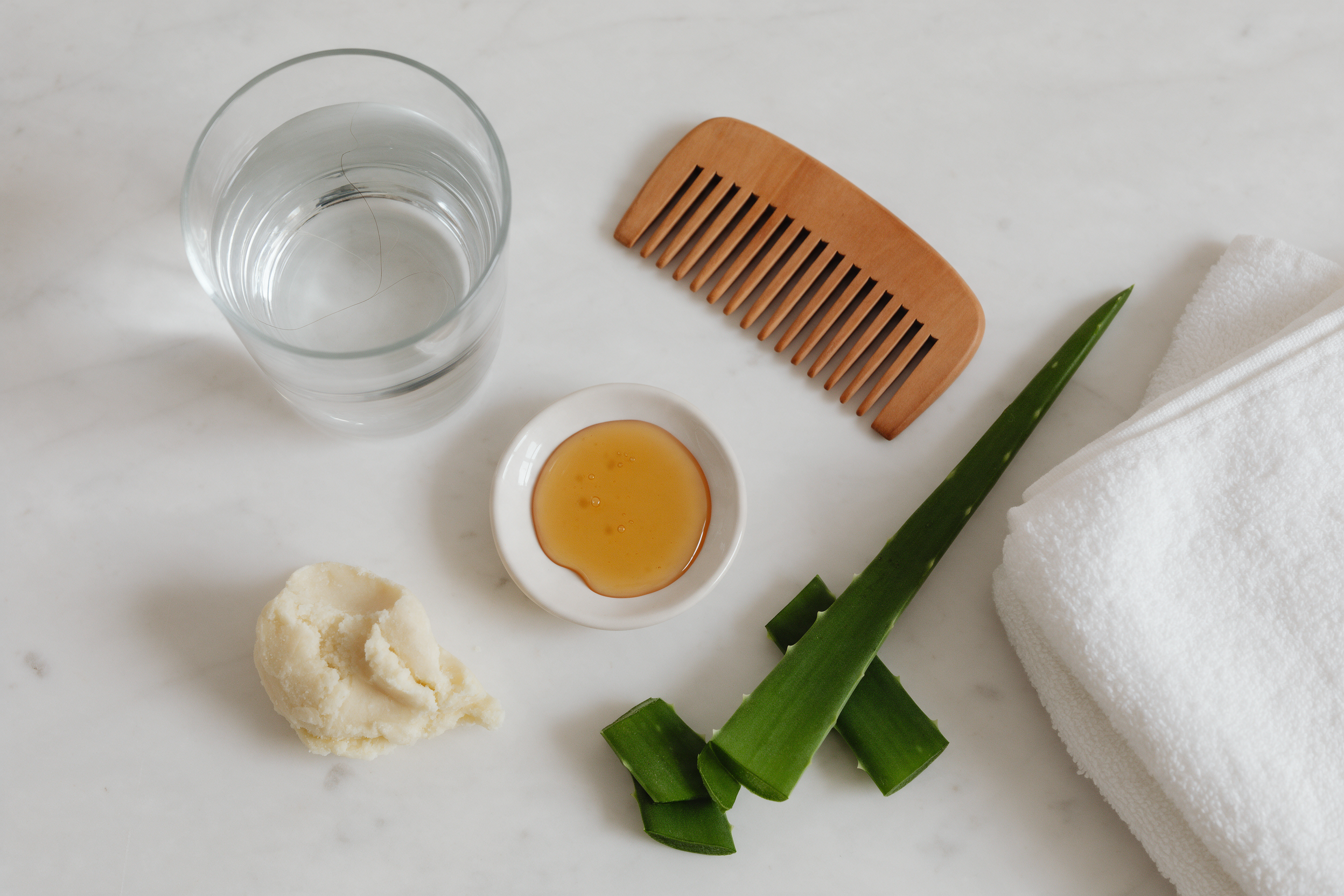
Low porosity hair: let moisture in
Low porosity hair is usually shiny and strong, but it resists water and is prone to buildup, so the goal is to help moisture in without weighing hair down.
- Use warmth. Apply conditioner or a mask in a warm shower, or cover it with a shower cap for 10 to 15 minutes. Gentle warmth helps product absorb.
- Apply to soaking-wet hair. Leave-ins and creams spread and absorb better before you towel-dry.
- Choose light textures. Water-based leave-ins and lotions sink in. Thick butters and heavy oils tend to sit on top and leave hair greasy.
- Use less, then add. A little goes a long way. Layering too many products is the most common cause of limp, coated low porosity hair.
- Clarify now and then. A gentle clarifying wash every few weeks lifts the buildup that low porosity hair collects easily.
High porosity hair: seal moisture in
High porosity hair takes in moisture easily but struggles to keep it, so the goal is to hydrate, then seal, and to treat hair gently so the cuticle doesn't get rougher.
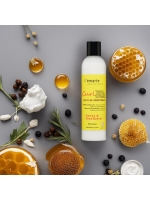
- Light, hydrating leave-in first: the Curl Leave-In Conditioner with Honey & Shea Butter adds moisture and slip on damp hair, and it's light enough for low porosity hair too.
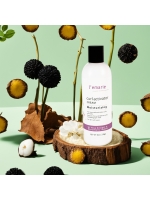
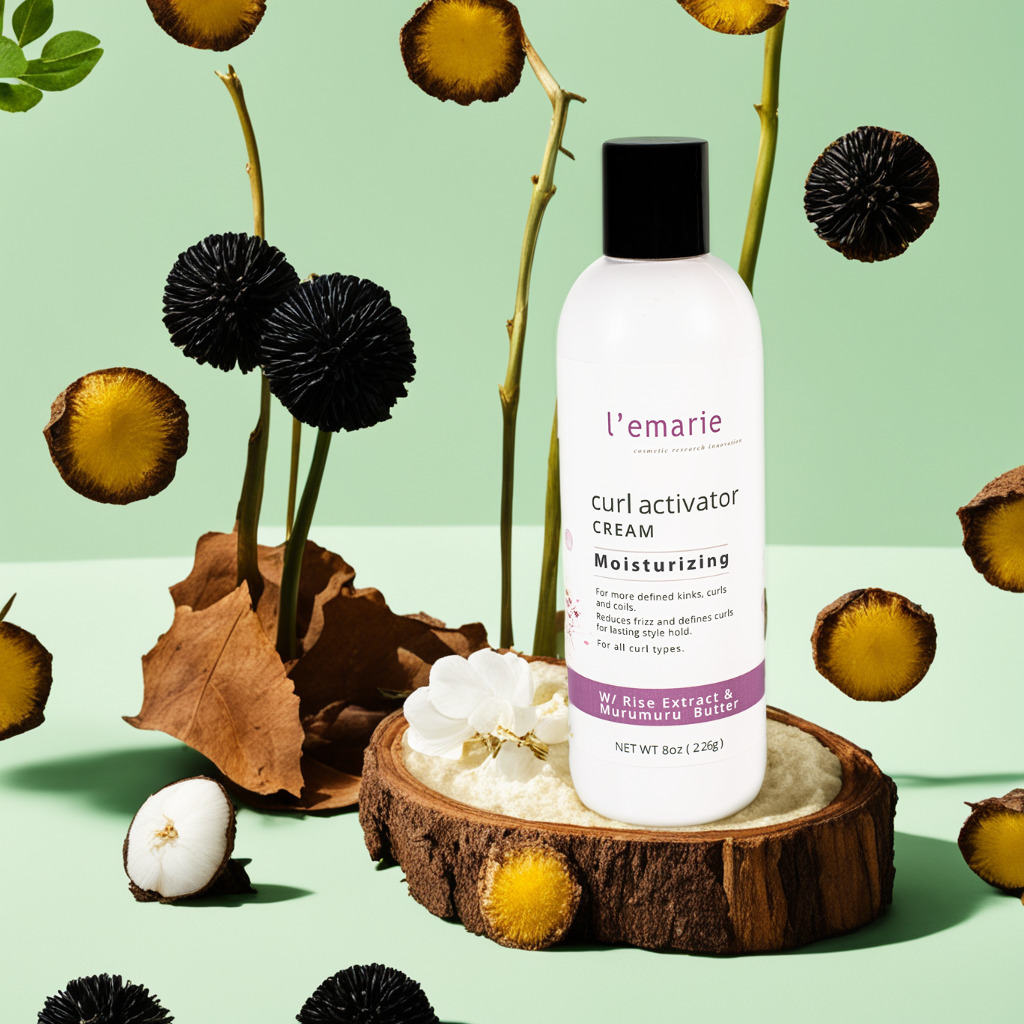
- A richer cream to seal: the Curl Activator Cream, with murumuru seed butter, helps lock that moisture in and defines curls.
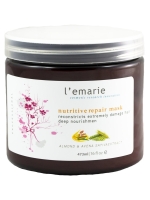
- A weekly mask: the Nutritive Repair Hair Mask leaves dry, rough lengths feeling softer and smoother.
- Finish with a cool rinse and squeeze water out with a soft towel or T-shirt instead of rubbing.
- Go easy on heat and chemical services, which are often what lifted the cuticle in the first place.
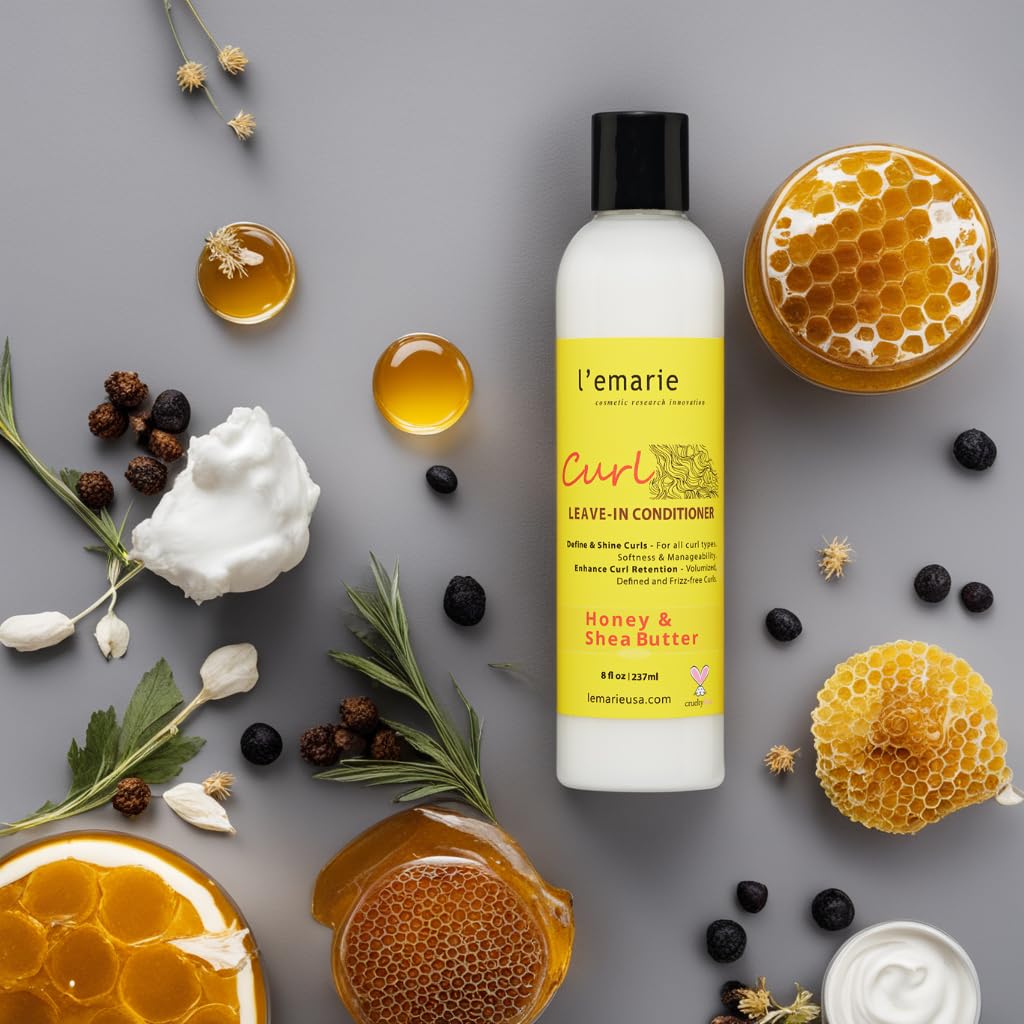
L'emarie Curl Leave-In Conditioner with Honey & Shea Butter, 8 oz.
Shop on lemarieusa.comBuy on Amazon
Medium porosity hair: keep it balanced
If your strands sank slowly and your hair gets wet and dries in a normal amount of time, you're in the easiest group. A regular wash, a rinse-out conditioner, a leave-in on damp hair and a mask every week or two keep things on track. Watch your ends: they often become more porous than the rest of your hair over time.
How often should you wash low porosity hair?
Because low porosity hair holds on to product, it often looks and feels best with a wash every 3 to 5 days, or more often if you use a lot of styling product or work out. Waiting too long lets residue pile up, and the hair starts to feel coated and flat. High porosity hair usually prefers fewer full washes and more conditioning, since every wash can leave it drier. For a full breakdown by hair type, see our guide to how often you should wash your hair.
Can you change your hair's porosity?
Not permanently, but you can work with it. You can't make tight cuticles open up for good, and you can't fully close a cuticle that has been lifted by bleach or heat. What you can do is choose products and habits that suit the hair you have, and protect new growth from the things that raise porosity: high heat, harsh processing and rough handling. As damaged ends are trimmed away, your hair as a whole often behaves more like its natural porosity again.
If you have curls, porosity also tells you how to use your leave-in. Our guide to leave-in conditioner for curly hair walks through how much to use and how to layer it.
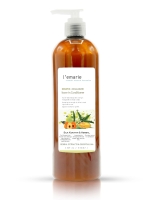
Shop the routine: Curl Leave-In Conditioner · Curl Activator Cream · Nutritive Repair Hair Mask · Collagen & Keratin Leave-In Conditioner + Curl Cream
Frequently asked questions
What is the most accurate hair porosity test?
No single test is perfect. The float test is the most popular, but oils, product residue and the type of water can change the result. Combining it with the spray and slide tests, and watching how fast your hair gets wet and dries, gives a more reliable answer.
Is low porosity hair the same as fine hair?
No. Porosity describes the cuticle, while fine or thick describes the width of each strand. You can have fine low porosity hair or thick low porosity hair, and the same goes for high porosity.
Can I have different porosity in different parts of my hair?
Yes, and it's very common. Roots that have never been colored or heat styled are often lower porosity than the ends, which have seen the most wear.
How often should I do a hair porosity test?
Once is usually enough to get a starting point. Repeat it after a big change, like bleaching, a relaxer or a major cut, since those can change how your hair behaves.
Do curly and coily hair have high porosity?
Not always. Curl pattern and porosity are separate. Many curly and coily heads are high porosity because curls are drier and more fragile, but low porosity curls are common too, which is why testing is worth two minutes.