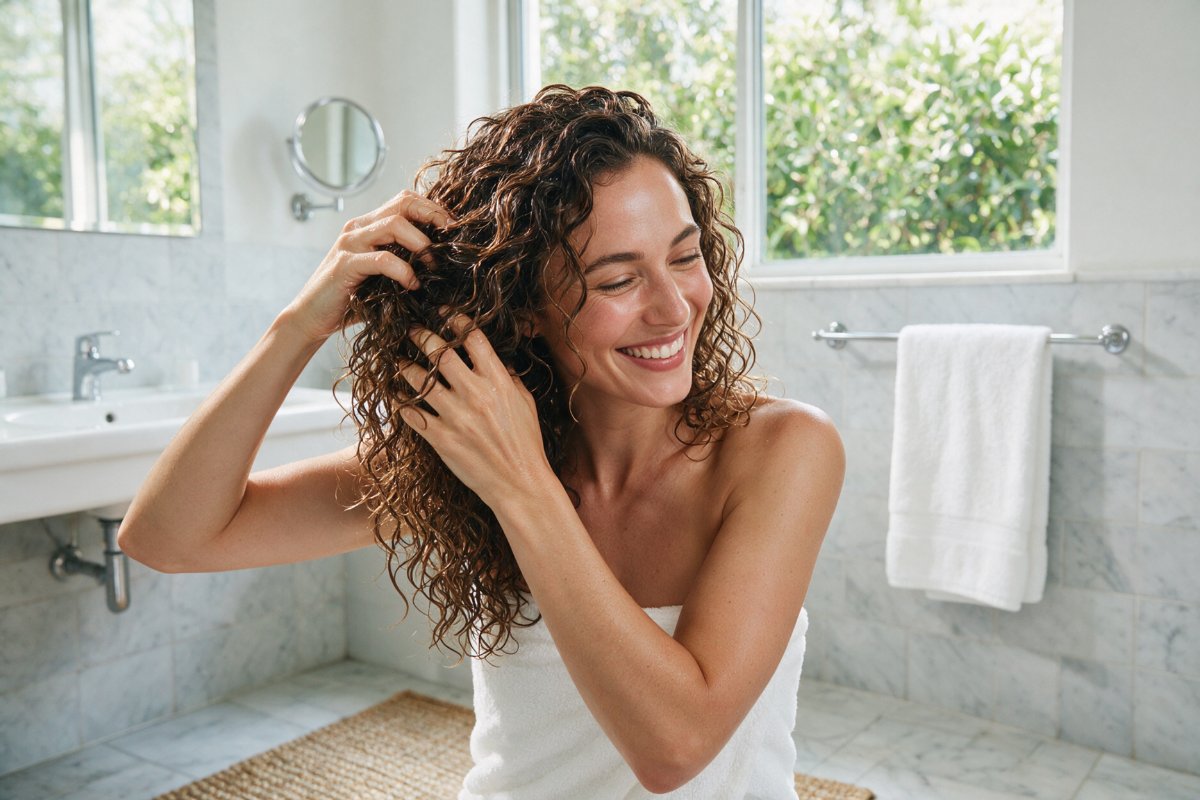

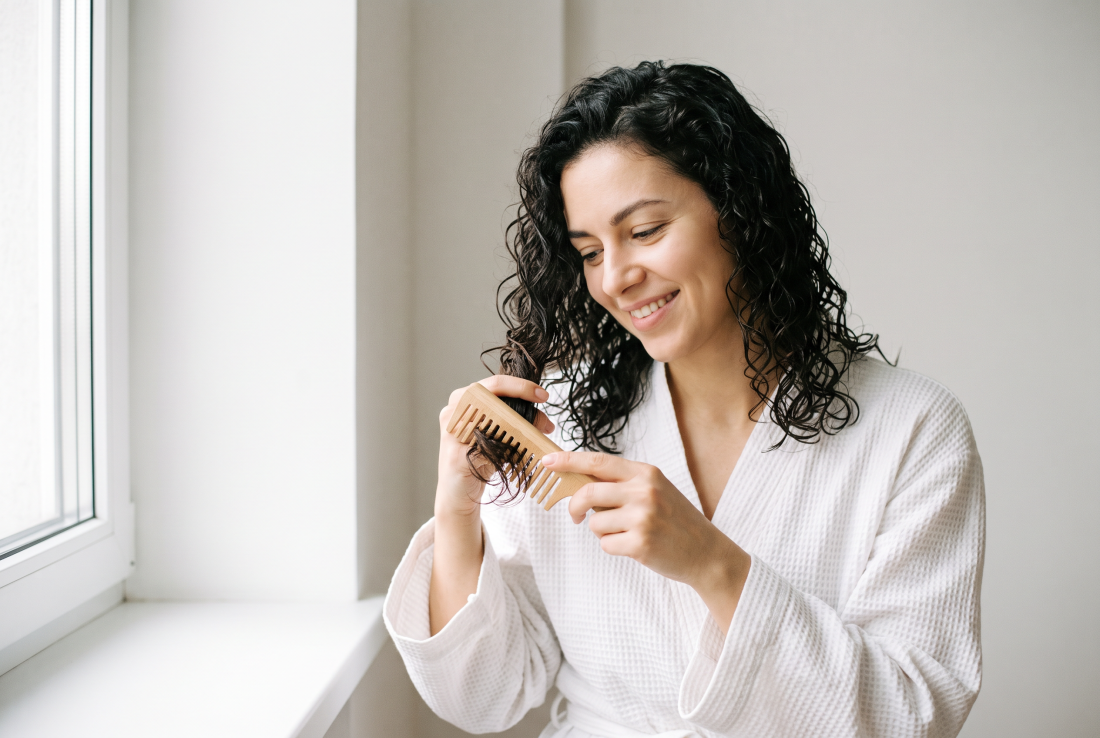
If wash day starts with a comb stuck halfway down a curl and a sink full of snapped strands, you're not doing anything wrong. Curly hair simply tangles more easily than straight hair. The good news is that how to detangle curly hair without breakage comes down to a few habits: plenty of slip, the right tool, working in small sections and always starting at the ends. Here's the routine, step by step.
Why curly hair tangles so easily
Every bend in a curl is a spot where strands can wrap around each other. Shed hairs, which everyone loses every day, get trapped inside the curl pattern instead of falling out, and they knot with the hairs around them. Curls are also often drier at the ends, and dry, rough strands catch on each other far more than smooth ones.
That's why pulling a brush through dry curls feels like it rips: the tool is forcing knots apart instead of letting them slide loose. The aim of every step below is to make strands slippery and to move a little hair at a time, so knots open up instead of snapping.
What you need before you start
- A slippery product. A rinse-out conditioner in the shower, or a leave-in on damp hair. The more slip, the less force you need.
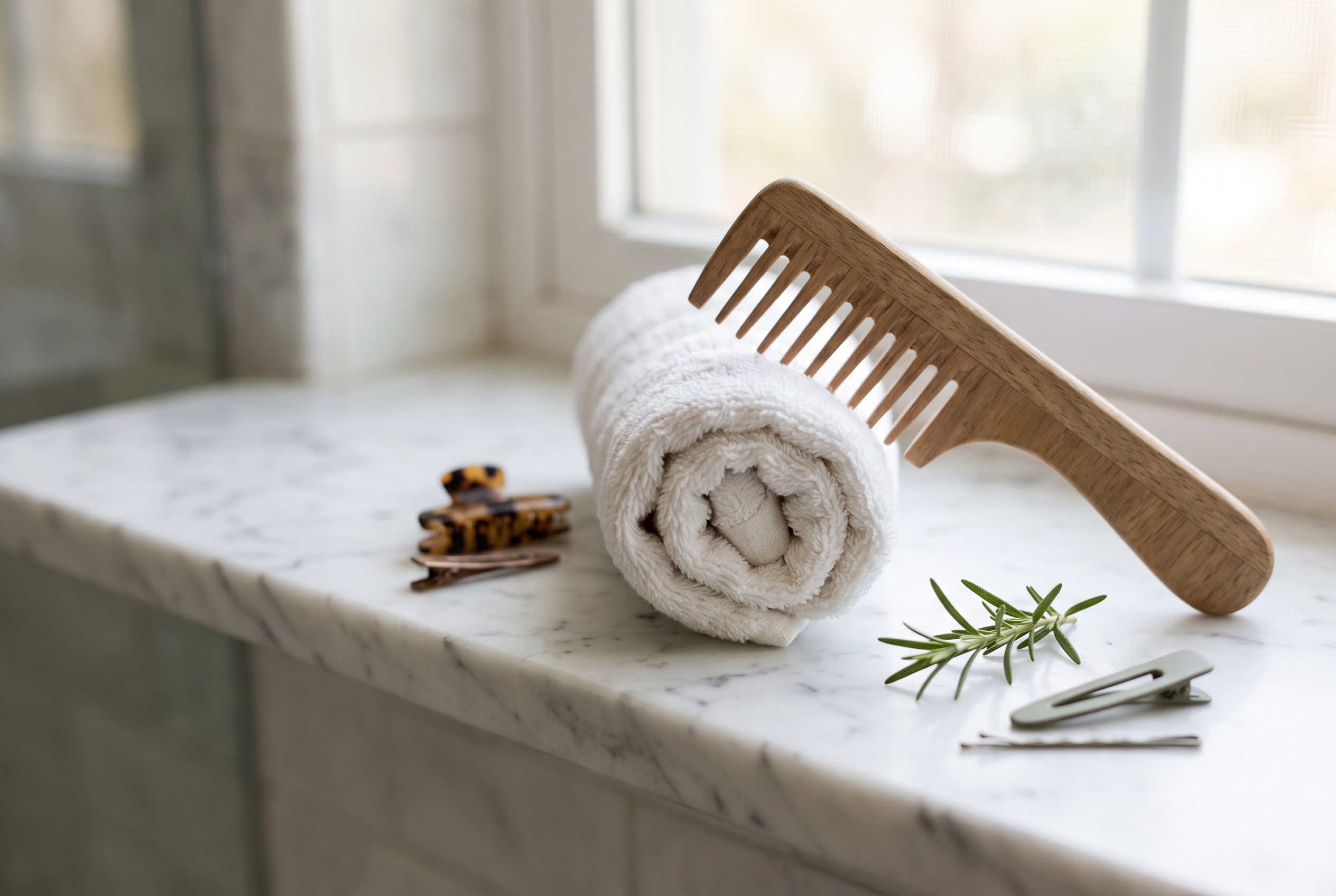
- A wide-tooth comb or your fingers. Fingers find knots a comb would rip through, and a wide-tooth comb glides through what's left. Save fine-tooth combs and paddle brushes for other jobs.
- A spray bottle of water. Curls that start to dry mid-session tangle again, so keep them damp.
- Four to six clips. Sectioning keeps finished hair out of the way so it doesn't tangle while you work on the rest.
- Time. Ten unhurried minutes cause far less breakage than three rushed ones.
How to detangle curly hair, step by step
- Wet your hair thoroughly. Get every curl soaked, not just damp on the surface.
- Add slip. Smooth a generous amount of conditioner from mid-lengths to ends, or a leave-in if you're detangling out of the shower. Let it sit for a minute so it can soften the strands.
- Section. Divide hair into four to six parts and clip all but one out of the way.
- Finger-detangle first. Gently separate the section with your fingers, feeling for knots and shed hairs and easing them out.
- Comb from the ends up. Hold the section a few inches above the ends so you don't pull on the roots. Comb the last few inches until they're smooth, then move up a little at a time.
- Twist and clip. Loosely twist the finished section and clip it, then move to the next. Re-wet any part that starts to dry.
- Rinse or style. Rinse out a conditioner with cool or lukewarm water, or leave a leave-in in and style as usual.
Products that give your comb more slip
Slip is what lets knots open instead of snap, so the product you detangle with matters as much as the comb:
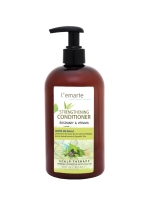
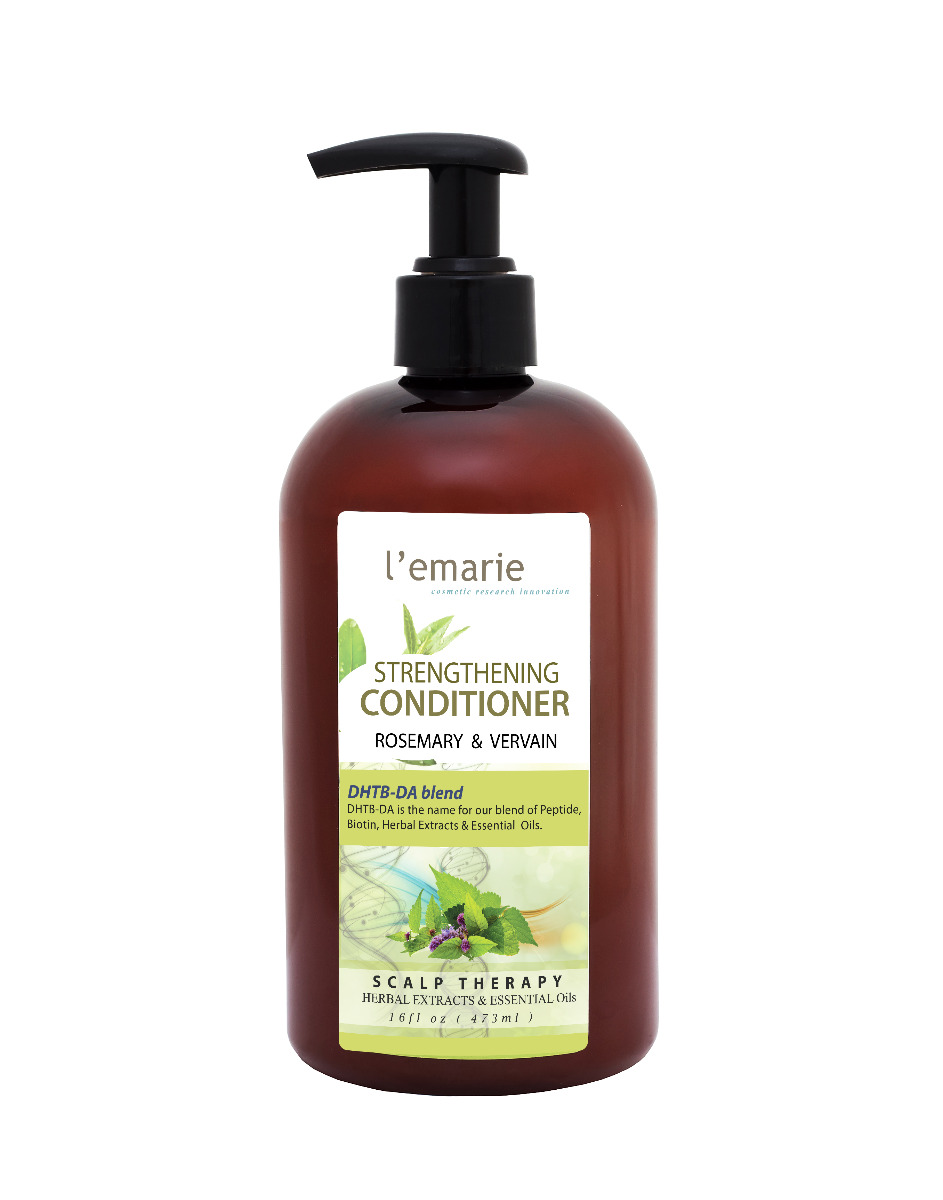
- In the shower: the Strengthening Conditioner with Rosemary & Vervain is a creamy detangling conditioner. Comb it through while it's in, then rinse.
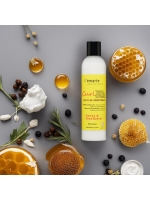
- Out of the shower: the Curl Leave-In Conditioner with Honey & Shea Butter adds moisture and slip to damp curls and stays in to keep them soft until your next wash.
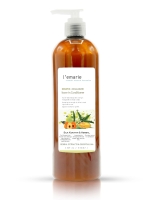
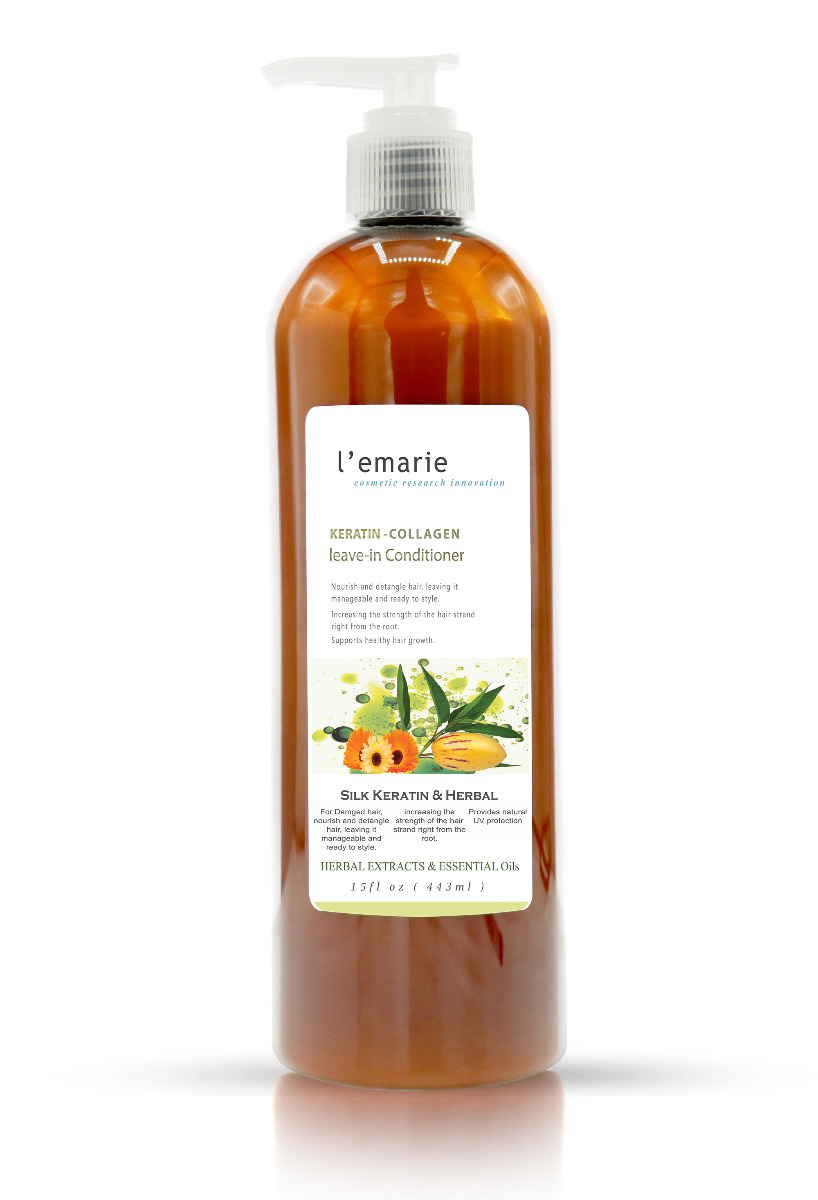
- One step instead of two: the Collagen & Keratin Leave-In + Curl Cream detangles and defines at once, with aloe vera for slip.
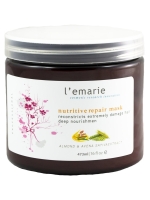
- Once a week: the Nutritive Repair Hair Mask softens dry, rough ends, which are where most knots start.
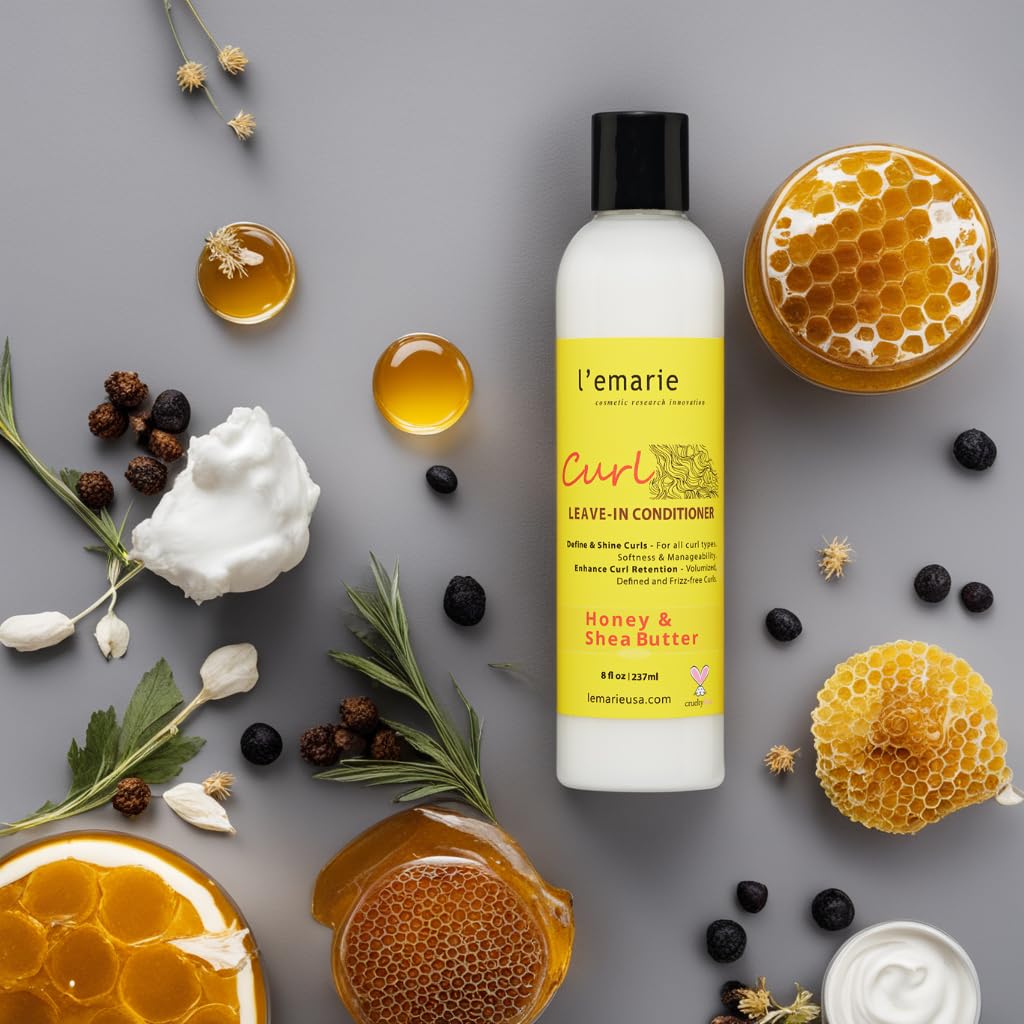
L'emarie Curl Leave-In Conditioner with Honey & Shea Butter, 8 oz.
Shop on lemarieusa.comBuy on Amazon
Should you detangle curly hair wet or dry?
For most curls, wet and coated in conditioner is easiest, because the product does much of the work. Some people with tight coils prefer to finger-detangle on dry or slightly damp hair with a little leave-in, since their curls shrink and clump when soaked. Either way, the rule is the same: never comb dry hair that has no product in it.
How to deal with a stubborn knot
Don't pull on it. Add more conditioner or leave-in directly to the knot and let it sit for a minute. Then use your fingers or the end of a comb to pick the knot apart from the outside, a few hairs at a time. Hold the hair above the knot so any tension stays below your hand and not at the scalp. Cutting is a last resort, and if you do trim, cut only the knot.
Habits that mean fewer tangles next time
- Sleep on a satin or silk pillowcase, or put curls in a loose pineapple or bonnet at night.
- Detangle before you wash if your hair is very knotted, so shampoo doesn't tighten the knots.
- Wear curls loosely tied up on windy days and during workouts.
- Keep ends moisturized. Our hair porosity test guide helps you choose products that actually absorb, and our guide to leave-in conditioner for curly hair covers how much to use.
- Trim split ends every few months. Split ends catch on each other and start new knots.
Shop the routine: Curl Leave-In Conditioner · Strengthening Conditioner · Collagen & Keratin Leave-In Conditioner + Curl Cream · Nutritive Repair Hair Mask
Frequently asked questions
How often should I detangle curly hair?
Most people detangle fully on wash day only, once or twice a week. In between, gently separate curls with your fingers when needed. Combing every day tends to cause more frizz and breakage.
Is it better to use a brush or a comb on curly hair?
Start with your fingers, then use a wide-tooth comb. Some curly people like a flexible detangling brush on very wet, conditioned hair. Avoid fine-tooth combs and paddle brushes on dry curls.
Why does so much hair come out when I detangle?
Much of it is shed hair that stayed trapped in your curls since your last wash. Hair that sheds has a small white bulb at one end. Short, broken pieces with no bulb are breakage, and a sign to add more slip and slow down.
Can I detangle with a leave-in conditioner instead of a rinse-out?
Yes. A leave-in on damp hair gives enough slip for most curls, and it keeps working after you style. Very knotted hair often does better with a rinse-out conditioner first in the shower.
Should I detangle before or after washing?
If your curls are only lightly tangled, detangle in the shower with conditioner. If they're very knotted, gently finger-detangle with a little leave-in before you wash, so shampoo doesn't tighten the knots.