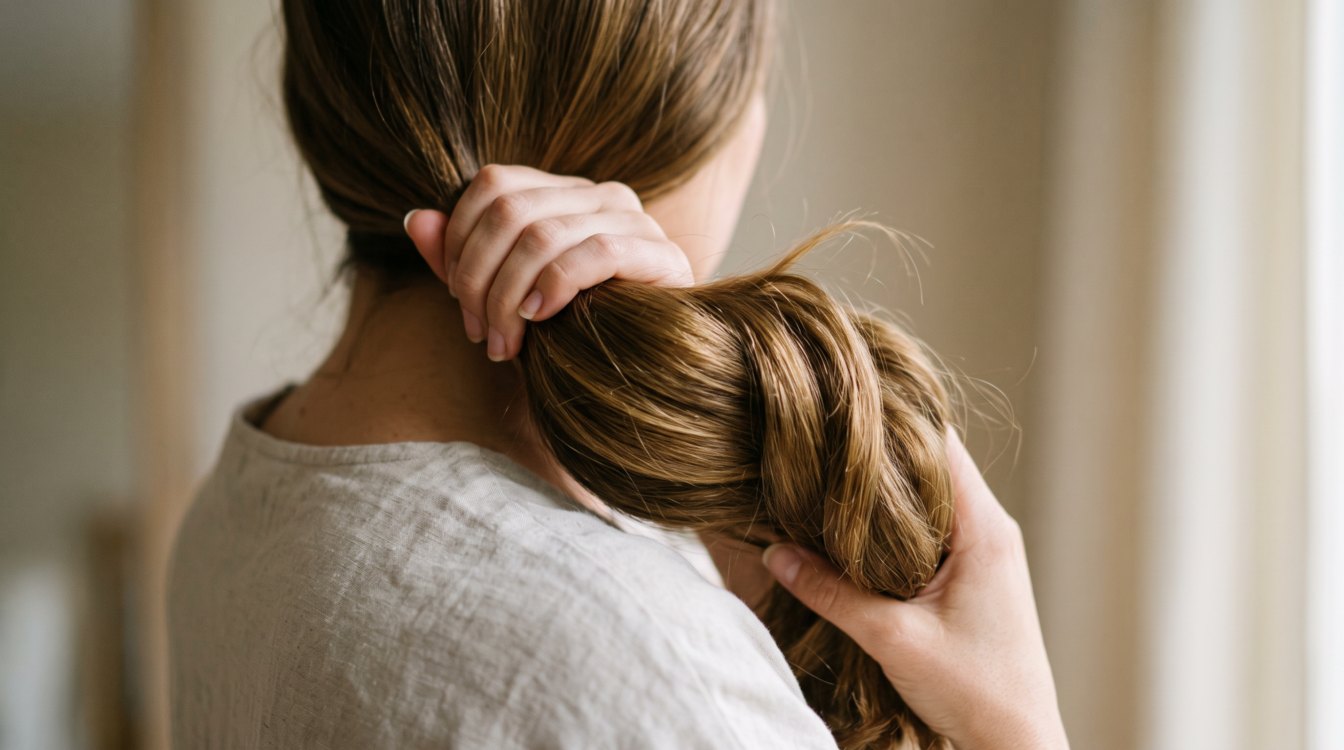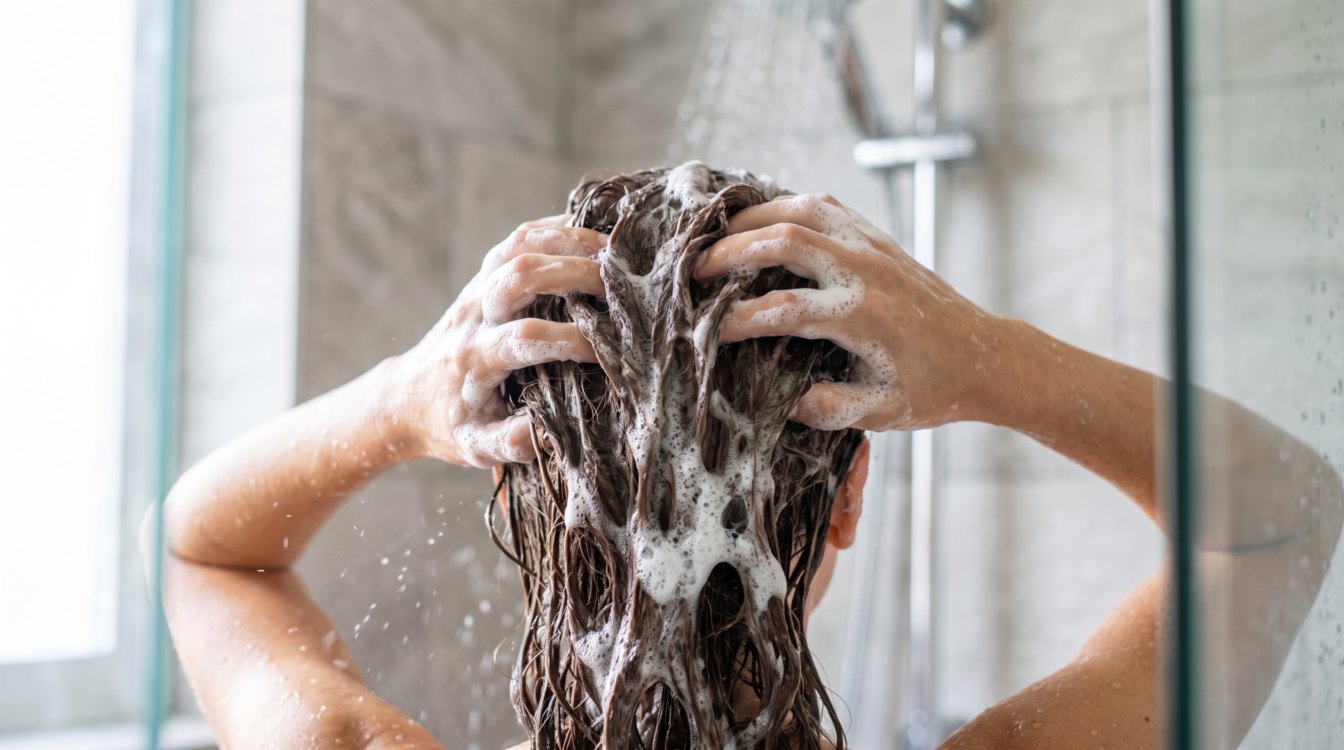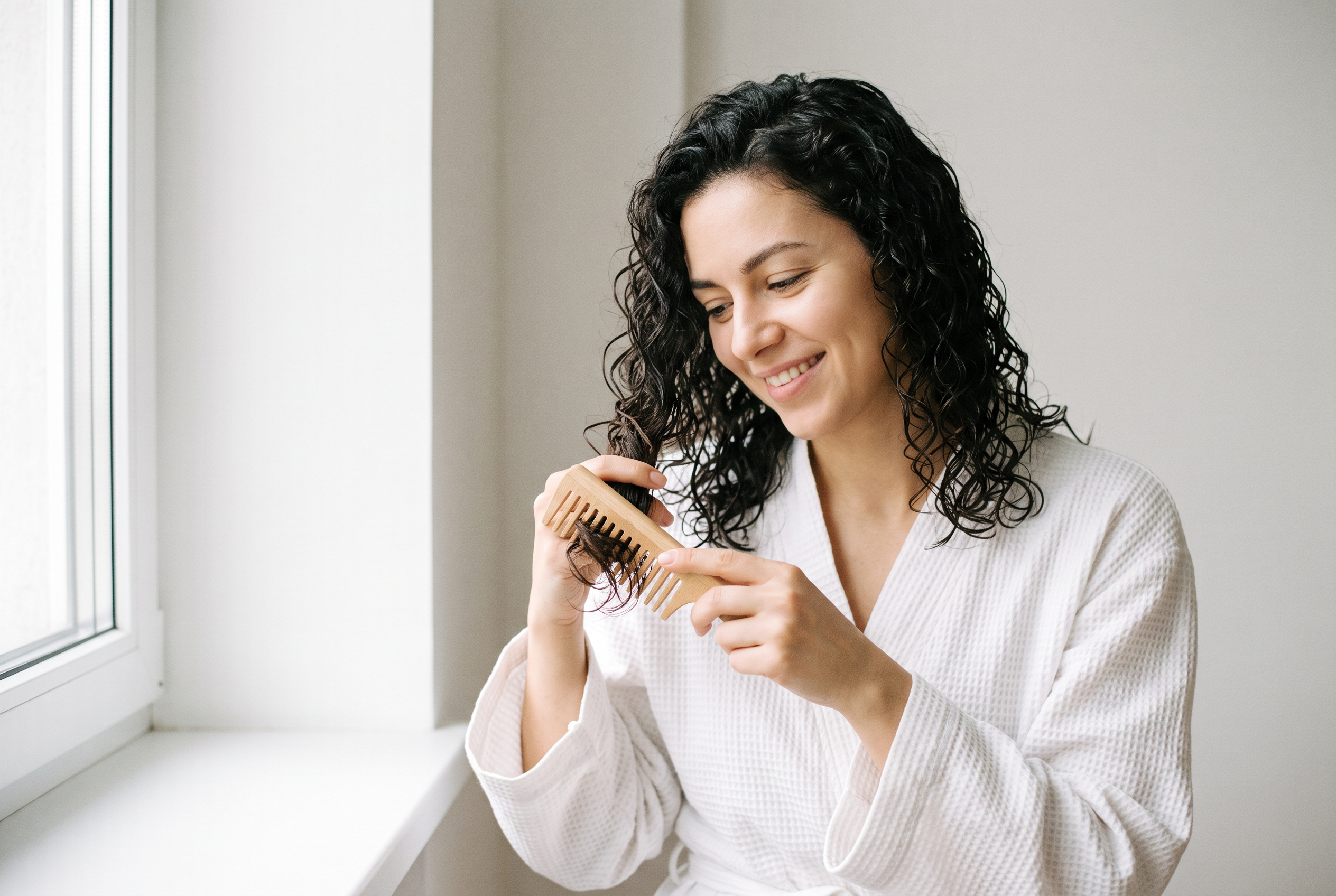

A curl activator for natural hair black women can rely on is a water based cream that adds moisture and helps curls and coils clump into a defined pattern. It does not change your texture. It brings out the curl you already have and keeps it soft instead of dry or crunchy. This guide explains how it works, what to look for and how to apply it.
What a curl activator does
Natural hair curls most clearly when it is full of water. As it dries, strands separate and the pattern blurs into frizz. An activator slows that down. It holds water in the hair and gives the curl family a light coating so the strands dry together.
It is different from a gel. A gel sets the hair in place with a firm cast. An activator stays soft and flexible. Many people use the cream first for moisture and a little gel on top for hold.
Why natural hair needs the extra moisture
Coily and kinky hair, often called type 4, has many tight turns along each strand. The oil your scalp makes has a hard time traveling down those turns. So the roots can feel fine while the ends feel dry. Dry ends frizz, tangle and lose shape.
That is why moisture comes first in most natural hair routines. A good activator is mostly water and softening ingredients, with butters or oils to keep that water in.
What to look for
- Water near the top of the list. Moisture is the whole point.
- A plant butter. Murumuru seed butter is rich but melts into the hair without a greasy feel.
- A light strengthening extract. Rice extract is a long time favorite for hair that feels smooth and strong.
- A soft finish. You should be able to run your fingers through your curls once they dry.
- Enough slip to detangle. The cream should help a comb glide.
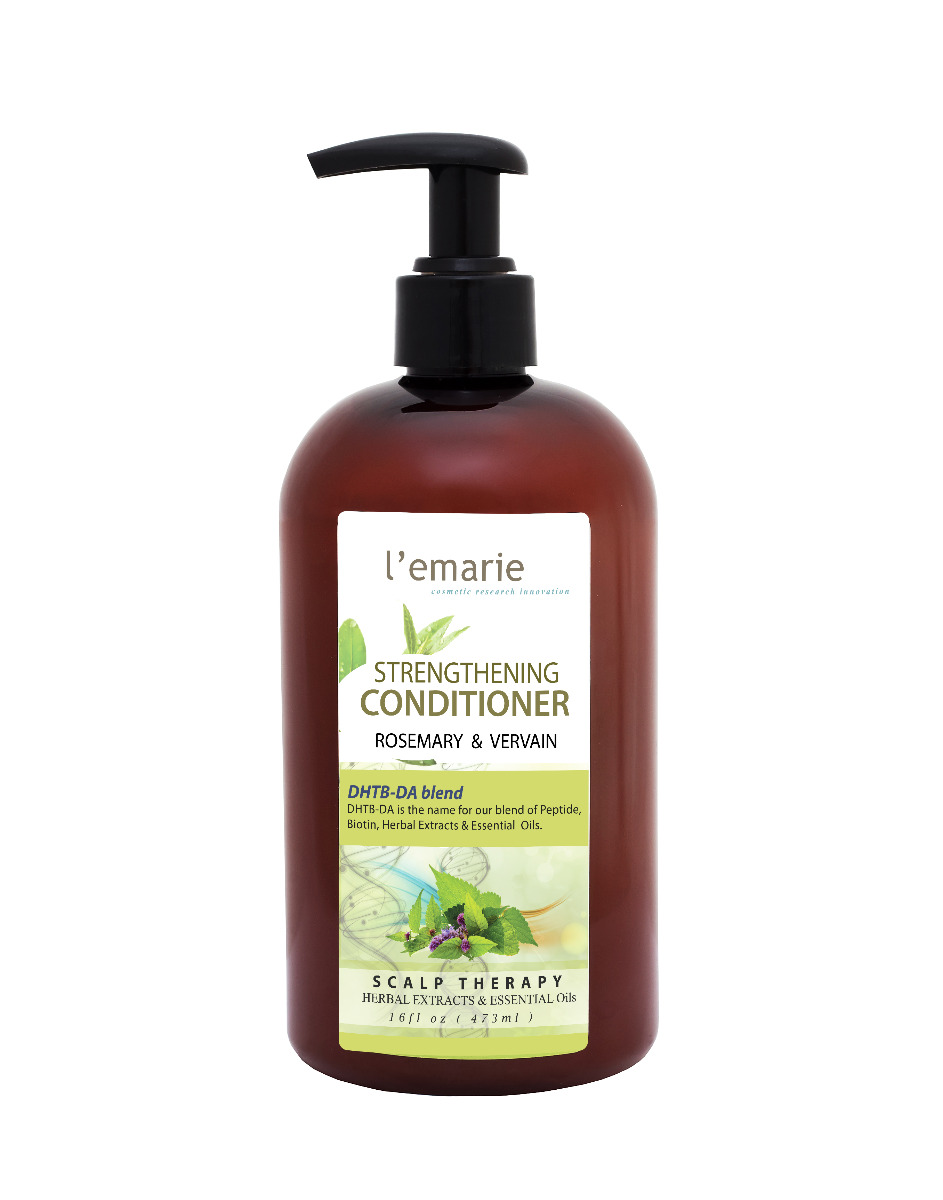
Our L'emarie Curl Activator Cream is made for moisturized, defined, healthy looking curls, with rice extract and murumuru seed butter in an 8 ounce jar. You can also buy it on Amazon.
How to apply it, step by step
- Start with clean, soaking wet hair. Do not towel dry first. Water is what the cream locks in.
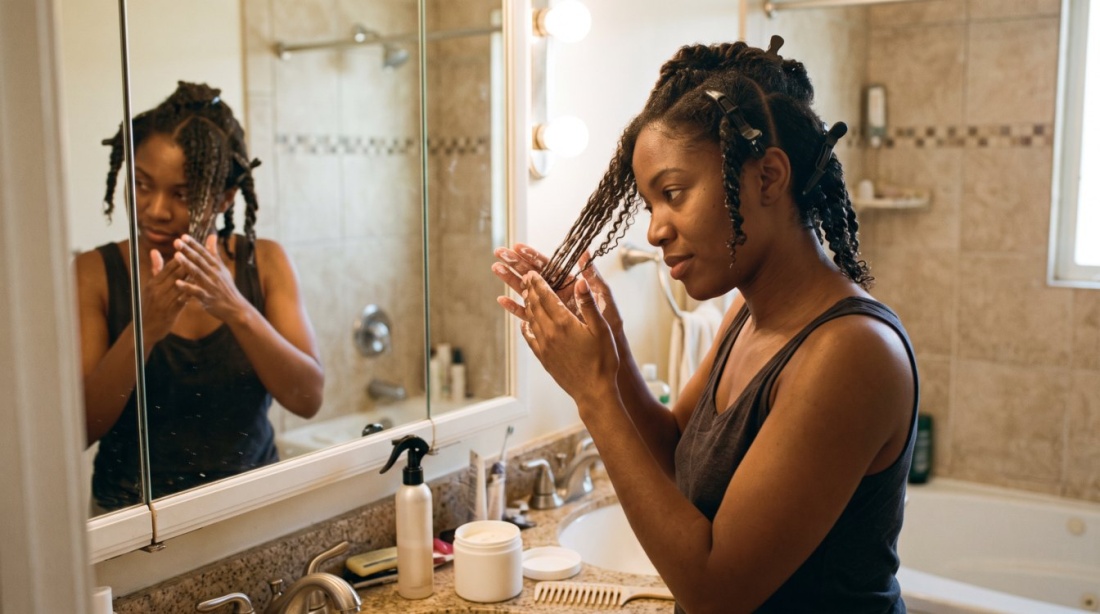
- Section your hair. Four sections for shorter hair, six to eight for longer or denser hair. Clip each one.
- Apply a small scoop per section. Rub it between your palms, then smooth it from root to tip.
- Rake, then smooth. Rake through with your fingers or a wide tooth comb. Then smooth the section between your palms so the curls clump.
- Define. For more definition, twirl small pieces around a finger, or shingle each curl. For a faster style, scrunch upward.
- Dry without touching. Air dry, or use a diffuser on low heat. Hands off until it is fully dry.
- Fluff at the roots. Use a pick at the roots only for volume. Leave the ends alone.
Give it time. The first try rarely looks like the third. Small changes in how wet the hair is, and how big the sections are, make a clear difference to the result.
For more detail on technique, read how to use curl activator cream for defined, frizz-free curls.
Styles it works well for
Wash and go styles are the classic use. It also works under twist outs and braid outs, where it keeps hair soft while the set dries. On day two or three, a little cream on damp hands brings tired curls back.
If you like one product for both moisture and styling, see our 2-in-1 leave-in and curl cream routine. If you want more hold on top, our alcohol-free gel guide shows how to layer.
Know your hair before you choose
Two heads of natural hair can look alike and behave very differently. Three things decide how a cream will work for you: porosity, density and strand width.
Porosity
Porosity is how easily water gets into your hair. Low porosity hair takes a long time to get wet and products tend to sit on top. Use less cream, apply it with warm water and give it time to sink in. High porosity hair gets wet fast and dries fast. It can take more cream and usually needs an oil over it to keep the moisture in.
Density
Density is how many strands you have. If you can see your scalp easily when your hair is dry, your density is on the lower side, so go light to keep volume. If your hair is thick and full, work in more sections so every part gets product.
Strand width
Fine strands are easily weighed down. Coarse strands are stronger and can hold heavier butters. Roll one strand between your fingers. If you can barely feel it, it is fine.
LOC or LCO: where the cream fits
Many naturals layer products in a set order to hold moisture. The letters stand for liquid, oil and cream.
- LOC: liquid, then oil, then cream. Good for high porosity hair that loses water fast.
- LCO: liquid, then cream, then oil. Good for low porosity hair, since the cream goes on while the hair is most open to it.
Your activator is the "C" in both. The liquid is water or a watery leave-in. The oil is a light sealing oil. Try each order for two wash days and keep the one that leaves your hair soft on day three.
Getting definition that lasts
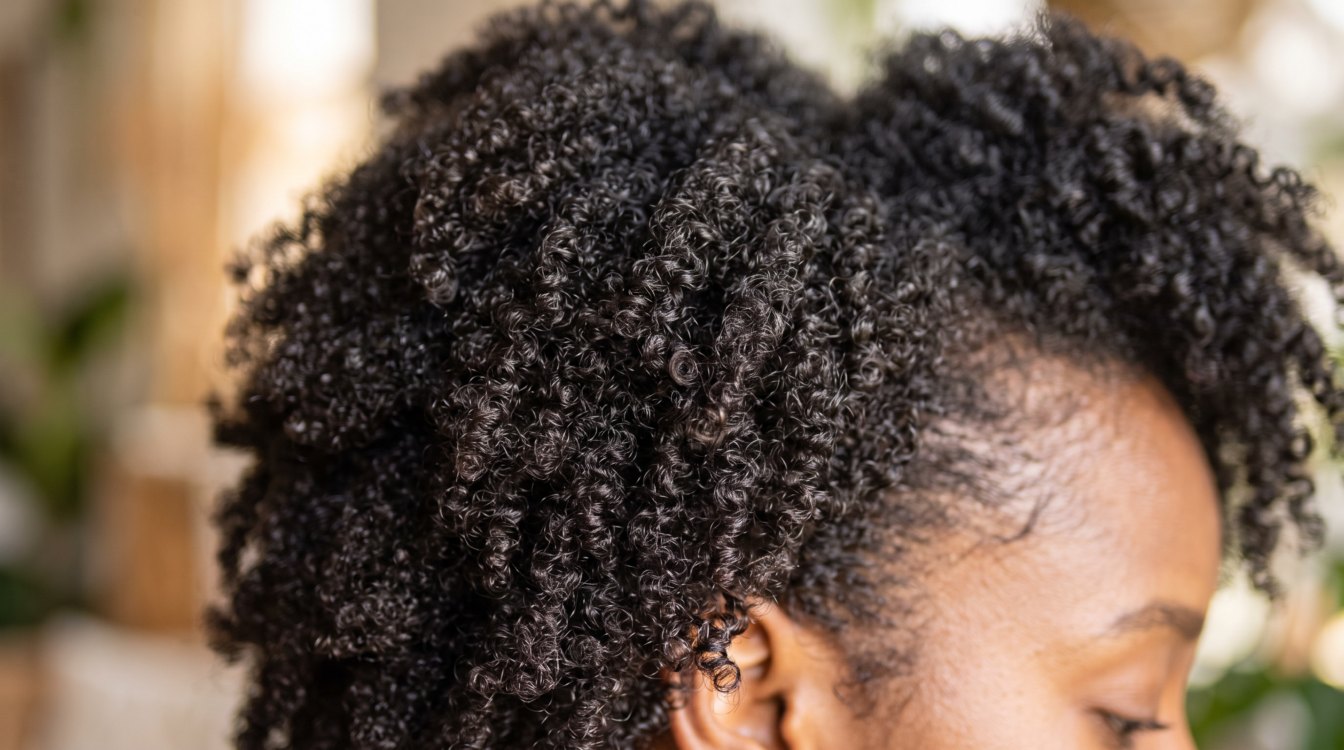
Definition is mostly technique. These habits make the biggest difference.
- Keep a spray bottle close. If a section starts to dry before you reach it, wet it again.
- Use smaller sections than you think you need. Product has to touch every strand.
- Smooth downward. Pressing each section between your palms lines the strands up so they clump.
- Do not separate while wet. Pulling curls apart before they set creates frizz.
- Dry fully. Hair that is still damp inside will puff as soon as you step outside.
- Break the set gently. A drop of oil on your fingertips helps you fluff without roughing up the curl.
Protecting your curls at night
Cotton pillowcases pull moisture out of hair and rough up the surface. A satin or silk bonnet, scarf or pillowcase keeps your style for days.
For longer hair, gather it loosely on top of your head in a "pineapple". For shorter hair, a bonnet alone is enough. For twist outs, re-twist a few large sections at night to keep the pattern.
Weather and your wash and go
Humidity makes hair swell. On damp days, add a little gel over your cream so the curls hold. In dry winter air, hair loses water quickly, so seal with an oil and refresh with a water mist every day or two.
Common problems and simple fixes
- White flakes or residue: too much product, or products that do not mix well. Use less, and test a new combination on the back of your hand first.
- Curls feel greasy: skip the oil step or cut the cream by half.
- Frizz at the crown: the crown often dries first. Apply there last, on re-wet hair.
- No definition at the roots: start the cream right at the scalp line and smooth all the way down.
- Too much shrinkage: stretch with a twist out or a band method while drying.
A wash day shopping list
You do not need a full shelf to get good results. A short, reliable kit beats a crowded cabinet.
- A gentle shampoo or co-wash to clean without stripping.
- A deep conditioner for softness and easy detangling.
- Your curl activator cream for moisture and definition.
- A light oil to seal and to break the set when dry.
- A gel for the days you need extra hold.
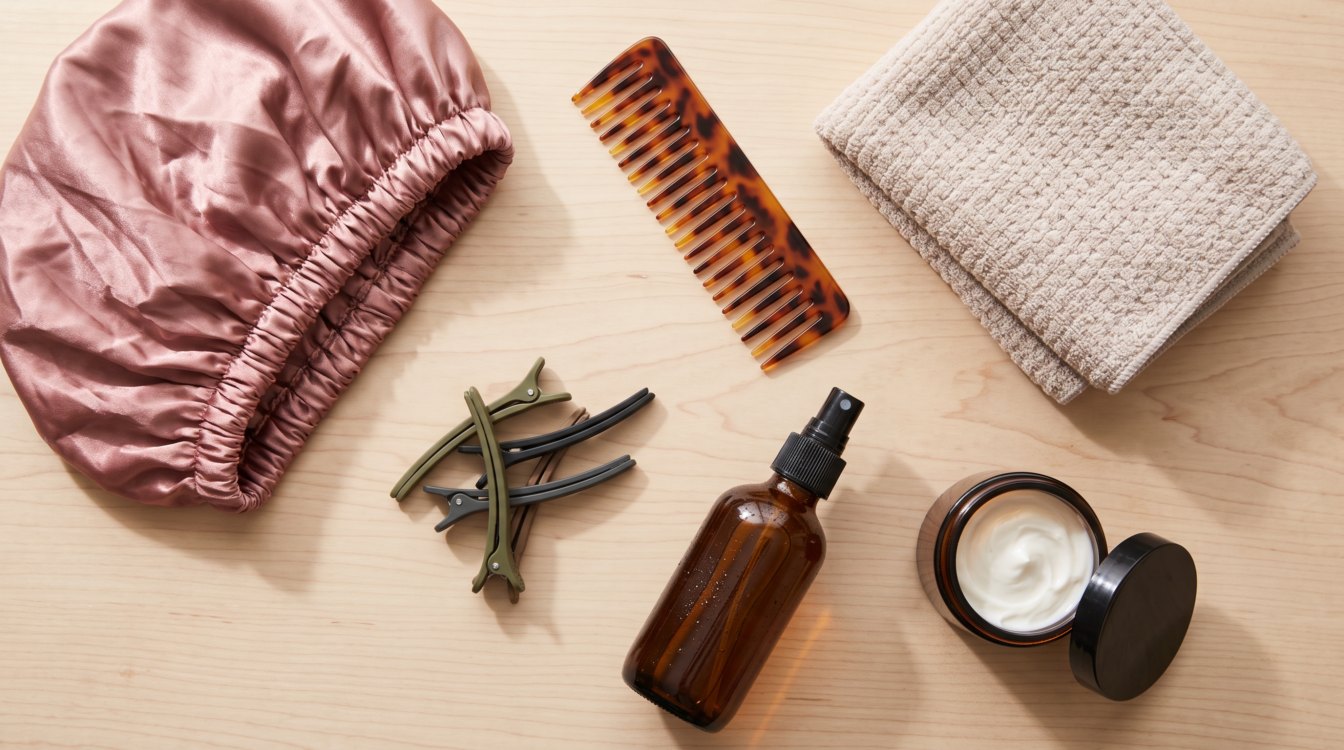
- Tools: a wide tooth comb, clips, a spray bottle, a microfiber towel and a satin bonnet.
How to judge a cream after one use
Give a new product a fair test. Use it alone on one wash day, with no gel and no extra oil, so you can see what it does. Check your hair at three points: right after applying, once fully dry and on the morning of day two.
Right after applying, your curls should gather and feel slippery. Once dry, they should be soft and springy, with no stiffness. On day two they should still hold their shape after a light shake. If it passes all three, it has earned its place.
Caring for the hair under the style
Defined curls look best on hair that is cared for. Deep condition every one to two weeks. Trim when ends start to knot. Be gentle with your edges and avoid tight styles day after day. Drink water and keep your scalp clean. Simple, steady care shows.
Does a curl activator work on 4C hair?
Yes, with the right method. 4C hair shrinks a lot and has a very tight pattern, so apply the cream to very wet hair in small sections. Shingling or finger coils give the most definition. Twist outs are a good choice when you want stretch too.
How much should I use?
Start with a quarter sized amount per section and add more only if the hair still feels dry. Thick, dense hair needs more than fine hair. If your curls feel coated or look dull when dry, use less next time.
Can I use it every day?
You can use a small amount daily to refresh. Dampen your hair with water first, then smooth on a little cream. Wash once a week or so to clear buildup, so the moisture can keep getting in.
Is it the same as a leave-in conditioner?
Not quite. A leave-in is mainly for softness and detangling. An activator also helps the curl pattern form and hold. Some people use both: leave-in first, then the activator. If your hair is fine, one of the two may be enough.