
A peptide shampoo is a shampoo made with peptides, which are short chains of amino acids, the same building blocks that make up the protein in hair. It cleans like any shampoo, and the peptides coat each strand so hair feels stronger and looks fuller after washing. If your hair looks flat, fine or tired, this is the kind of shampoo worth knowing about.
What peptides are, in plain words
Hair is mostly a protein called keratin. Proteins are long chains of amino acids. A peptide is a much shorter chain, small enough to sit on the surface of the hair and in the tiny gaps of a rough cuticle.
In a shampoo, peptides do a cosmetic job. They add a light film that makes strands feel smoother and firmer. Hair that feels firmer tends to stand away from the scalp a little more, so it looks thicker. The effect builds with regular washing and fades if you stop.
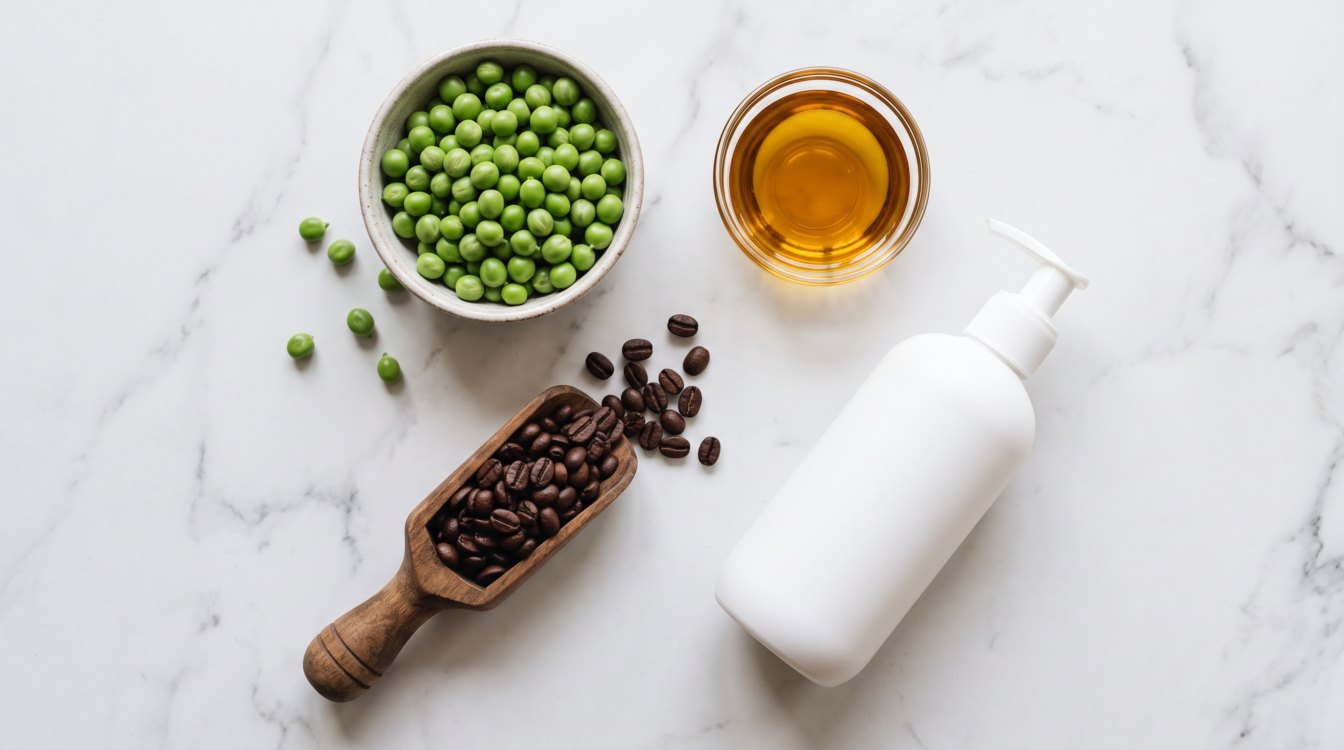
Peptides come from different sources. Pea peptide comes from pea protein and is popular in plant based formulas. You will also see rice, wheat and silk peptides, and copper peptides in some scalp serums.
What a peptide shampoo does for your hair
Expect changes in how your hair looks and feels, not a change in how it grows. A shampoo stays on your head for a minute or two, so its job is surface care.
- Fuller look. Coated strands take up more room, so fine hair looks less flat.
- Stronger feel. Hair feels less limp and snaps less when you brush it.
- Smoother surface. A flatter cuticle reflects more light, so hair looks shinier.
- Clean scalp. A good formula lifts oil and product without leaving the scalp tight.
What to look for on the label
Peptides work best next to a few other well known ingredients. Read the front of the bottle and the ingredient list, and look for a mix like this.
- A named peptide. "Pea peptide" or "hydrolyzed pea protein" tells you what you are paying for.
- Biotin. A B vitamin used in many shampoos made for thicker looking hair. Our guide to biotin shampoo for thicker-looking hair explains what it can and cannot do.
- Caffeine. Common in formulas for fine, fragile hair.
- Keratin. The protein hair is made of. In a shampoo it helps smooth the surface.
- A nourishing oil. Batana oil is a rich oil that adds softness and shine, so the wash does not leave hair dry.
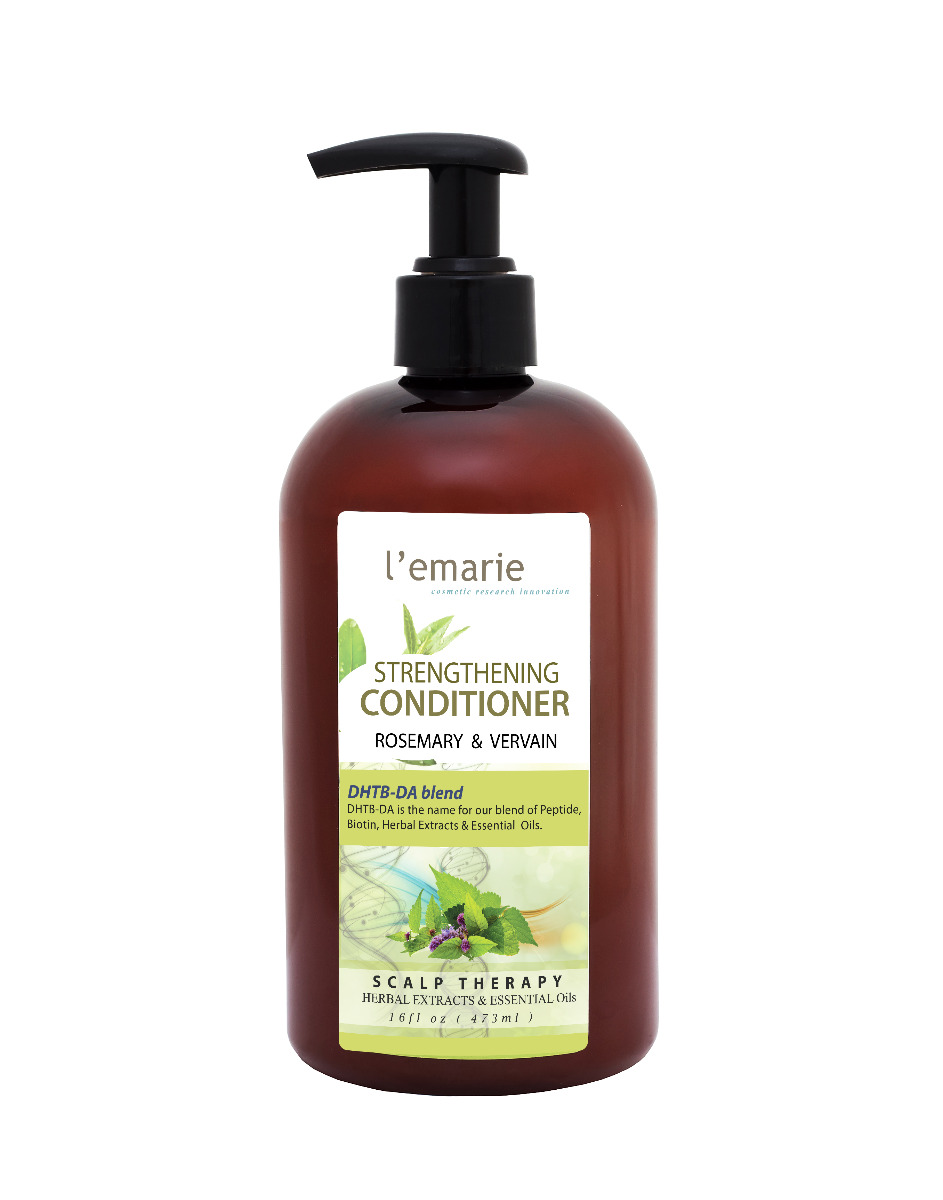
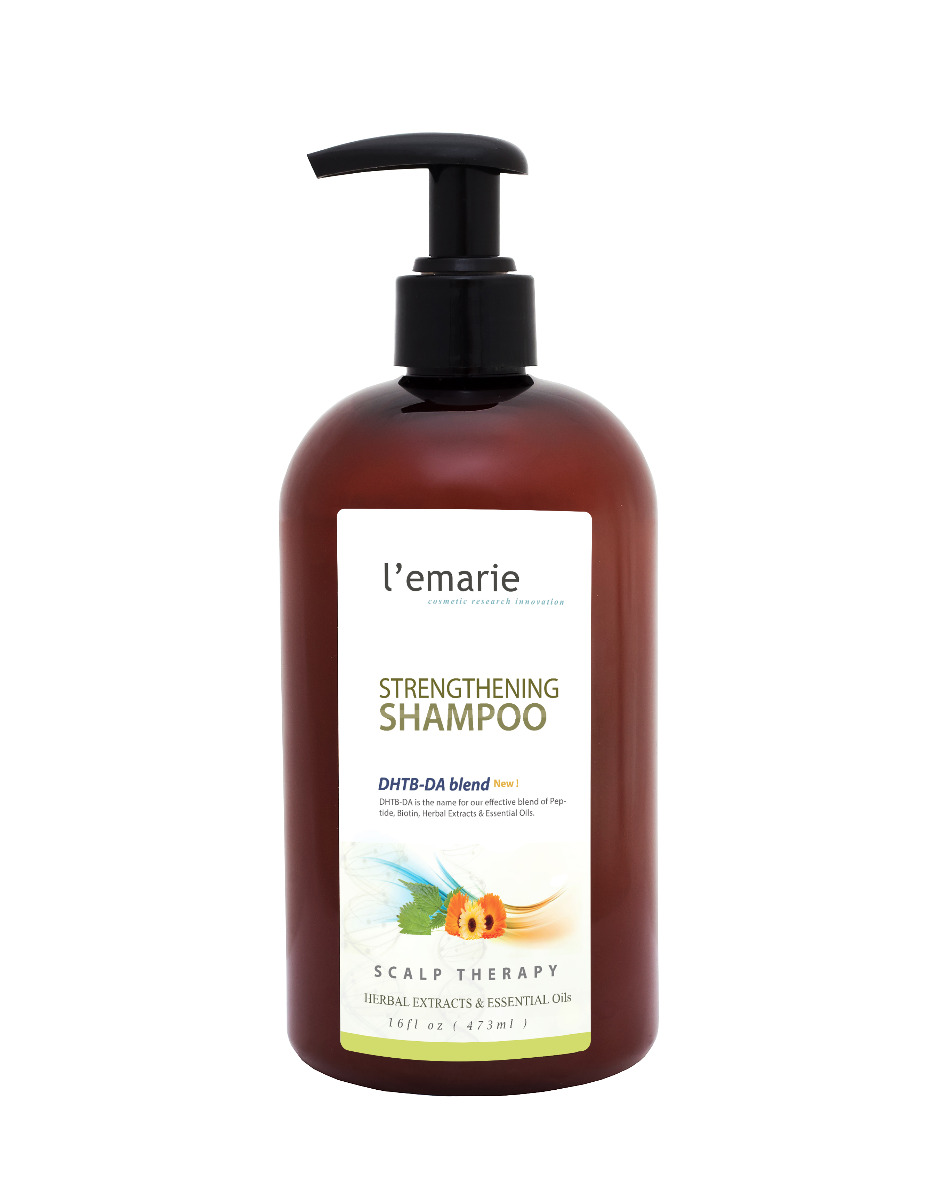
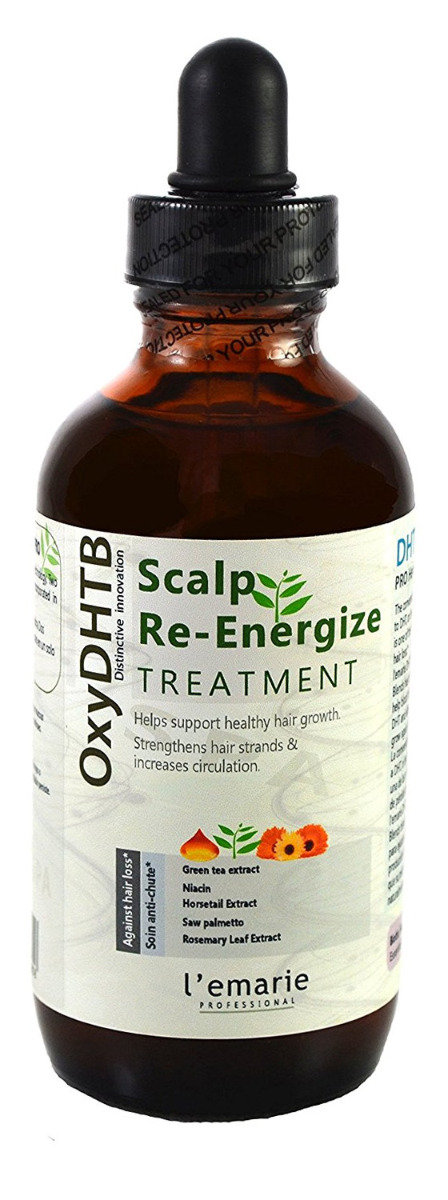
Our own L'emarie Biotin & Pea Peptide Shampoo brings these together: biotin, pea peptide, caffeine, batana oil and keratin in one bottle, made for women and men. It comes in an 8.6 fl oz and a 16 fl oz size. You can also find the 16 oz bottle on Amazon.
How to use a peptide shampoo
The way you wash matters as much as the bottle. Peptides need a little contact time, and the scalp needs a real clean.
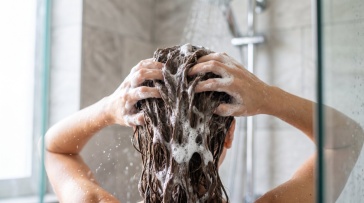
- Wet your hair fully. Use warm water, not hot. Give it a full minute so the shampoo spreads easily.
- Use a small amount. A coin sized pool is enough for short hair. Add a little more for long or thick hair.
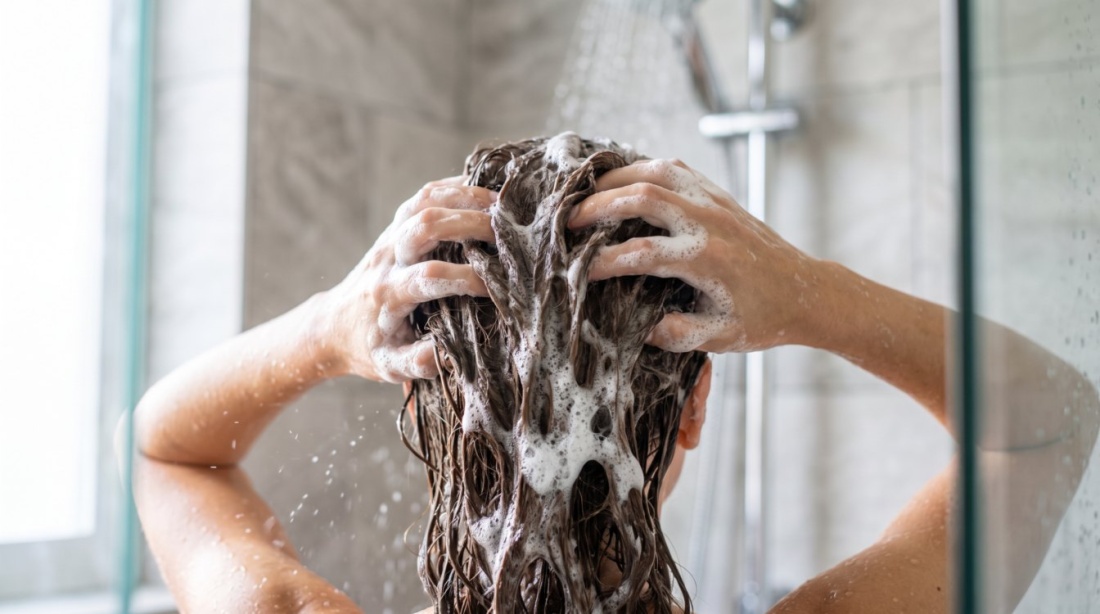
- Work it into the scalp. Use your fingertips, not your nails. Massage for about a minute.
- Let it sit. Leave the lather on for one to two minutes while you wash the rest of your body.
- Rinse well. Leftover shampoo weighs fine hair down.
- Condition the lengths. Keep conditioner off the roots if your hair goes flat easily.
Most people do well washing two to four times a week. Wash more often if your scalp gets oily fast, and less if your hair is dry or curly. For how often to wash by hair type, see our wash day guide.
Who it suits
This kind of shampoo suits fine hair, hair that looks flat by midday, and hair that feels weak after coloring or heat styling. It also suits anyone who wants a fuller look without heavy styling products.
Very coarse or very dry hair may want a richer wash, or a peptide formula followed by a deep conditioner. Protein can build up on some hair. If your hair starts to feel stiff, wash with a plain moisturizing shampoo every third or fourth wash.
How peptides compare with other "thickening" ingredients
Shampoos that promise body use a handful of different tools. Knowing which tool a bottle relies on tells you how your hair will feel afterward.
- Peptides and hydrolyzed proteins. They bond lightly to the hair surface, most of all where it is worn. The feel is firm and clean. This is the lightest way to add body.
- Polymers. These are film formers, the same family used in mousse. They give instant lift but can build up and feel coated after a few washes.
- Salts and strong cleansers. Some volumizing shampoos simply strip more oil so hair stands up. That works for a day and leaves ends dry.
- Oils and butters. Great for softness and shine, not for lift. Too much flattens fine hair.
The strongest formulas mix the first group with a small amount of the last one. Protein gives structure, a little oil keeps the hair flexible, and the cleanser stays mild.
Why size matters with protein
Whole proteins are too big to do much in a rinse-off product. They sit on top and wash away. Makers solve this by cutting the protein into shorter chains. The word "hydrolyzed" on a label means exactly that.
Shorter chains hold on better. They carry a slight charge that is drawn to worn areas of the hair, which carry the opposite charge. That is why a peptide wash often feels most dramatic on colored, bleached or heat styled hair, and more subtle on untouched hair.
Plant sources each have a character. Pea is light and leaves little residue. Rice is known for a smooth finish. Wheat adds more body but is avoided by some people. Silk and keratin feel the most conditioning.
Common mistakes that cancel the benefit
- Rinsing right away. Thirty seconds of contact is not enough. Give the lather at least a full minute.
- Washing the lengths hard. Scrubbing long hair roughs up the surface you are trying to smooth. Wash the scalp and let the foam do the rest.
- Stacking too much protein. A protein shampoo, a protein mask and a protein leave-in on the same day can leave hair stiff. Pick one or two.
- Skipping conditioner. Protein firms. Conditioner softens. Hair needs both to move well.
- Very hot water. It lifts the cuticle and lets the film rinse off faster.
- Judging too early. One wash tells you how it feels. A month tells you how your hair looks.
Build a simple routine around it
A shampoo works best as one part of a short, steady routine. You do not need ten products. You need the right four, used the same way each week.
Wash
Use your peptide formula two to four times a week. On heavy product days, wash twice: a quick first round to clear residue and a second round that you leave on.
Condition
Apply from the ears down. Comb it through with a wide tooth comb, wait two minutes and rinse cool.
Protect
Use a heat protectant every time you use a dryer or iron. Heat is the fastest way to undo the smooth surface you built in the shower.
Style lightly
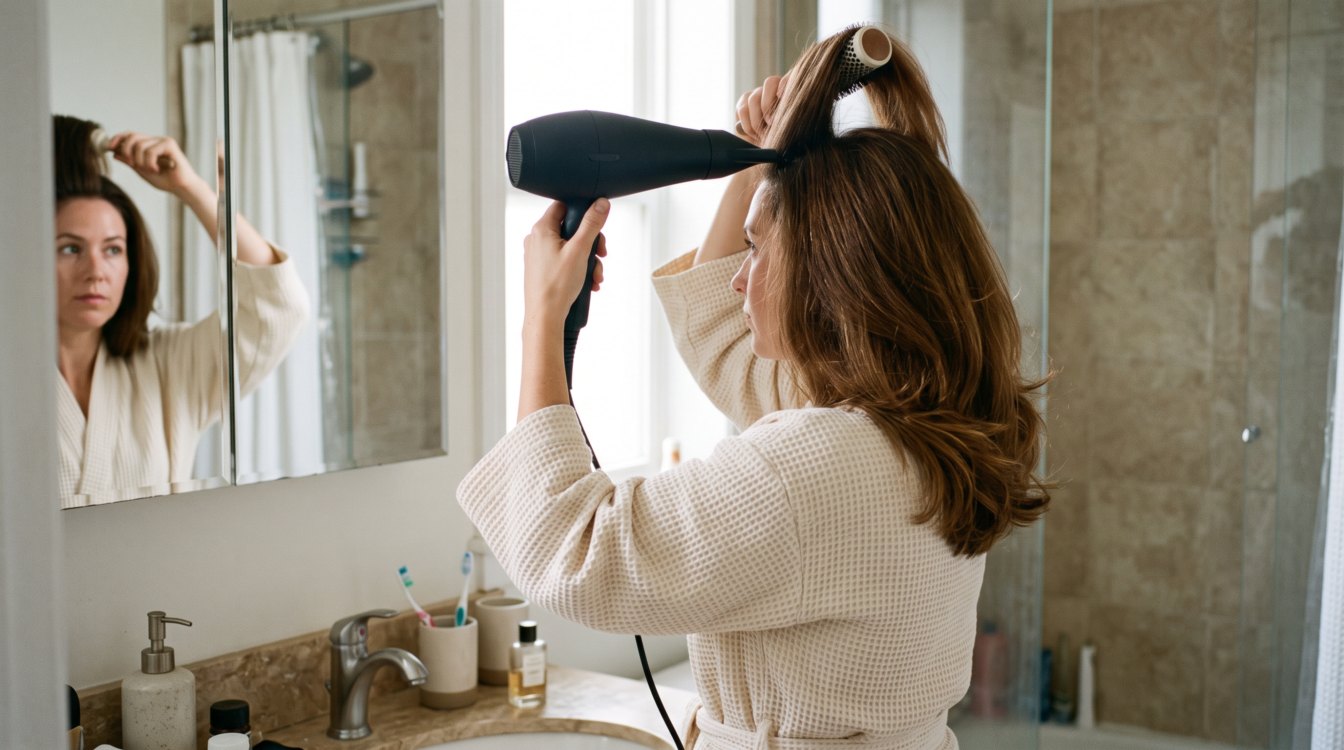
Choose a light mousse or a root spray over heavy creams. Dry the roots first with your head tipped forward. Finish with cool air.
Scalp care counts too
Full looking hair starts with a clean, comfortable scalp. Oil, sweat and styling product collect at the roots and pull hair flat. A proper scalp massage during washing lifts that layer and feels good.
Use the pads of your fingers and small circles. Cover the whole head: hairline, crown, sides and the nape, which most people miss. If your water is hard, a filter on the shower head can also help shampoo rinse clean.
How to read results honestly
Marketing photos are lit and styled. Your bathroom mirror is the fair test. Use the same spot, the same light and dry hair with no product. Take one photo of your part and one of your ponytail. Repeat every two weeks.
Look for three things: how wide your part looks, how thick the ponytail feels in your hand and how much hair is left in the brush. Small, steady gains in those three are what a good cosmetic shampoo delivers.
How long until you notice a change?
Hair often feels different after the first wash, because the coating effect is instant. The fuller look is easier to see after two to three weeks of regular use. Take a photo on day one in the same light, and compare a month later.
Can you use a peptide shampoo every day?
Yes, if your scalp likes daily washing. Most formulas are mild enough. If your hair starts to feel stiff or coated, drop to every other day. Follow with conditioner on the lengths to keep them soft.
Is it safe for colored hair?
Peptides themselves do not strip color. What matters is the cleanser in the formula and the water temperature. Wash with warm water and rinse cool. Check the bottle for a color safe note if you color often.
Do men and women need different formulas?
No. Hair is hair. The difference is mostly scent and packaging. Pick by hair type and by what you want to see: more body, more softness or a cleaner scalp. Our shampoo is made for both women and men.