

To retain length in natural hair, protect your ends. Your hair keeps getting longer at the root, but you only see that length when the ends stop breaking off. If your curls or coils seem stuck at the same length, the length is not missing. It is snapping off at the bottom about as fast as it appears at the top.
This guide gives you a full plan instead of a list of loose tips. It starts with a one-minute check to find where your length is going. Then it covers a wash-day routine, habits for the days between washes, changes for your curl pattern, and what to expect over the coming months.
The 1-Minute Check: Where Is Your Length Going?
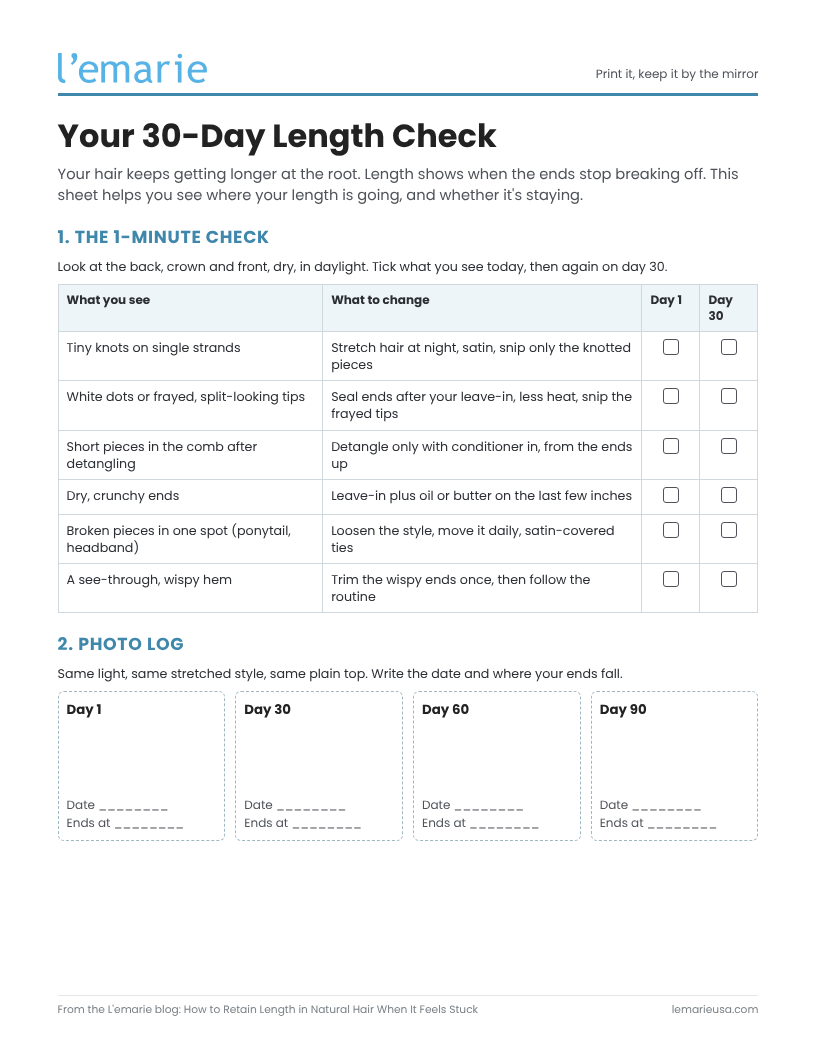
Before you change anything, look closely at your ends and your comb. Take a small section of hair from the back, where ends rub on collars and are hardest to see. Look at it dry, in good daylight, then repeat at the crown and the front, since each area can show something different. Compare what you see with the table below.
| What you see | What it usually means | What to change |
|---|---|---|
| Tiny knots on single strands | Ends are curling back and knotting around themselves, often when hair is worn loose and shrunken | Stretch hair before bed, use satin at night, and trim only the knotted pieces |
| White dots or frayed, split-looking tips | Ends are worn and splitting along the strand | Seal ends after every leave-in, cut back on heat, and snip off just the frayed tips (often called dusting) |
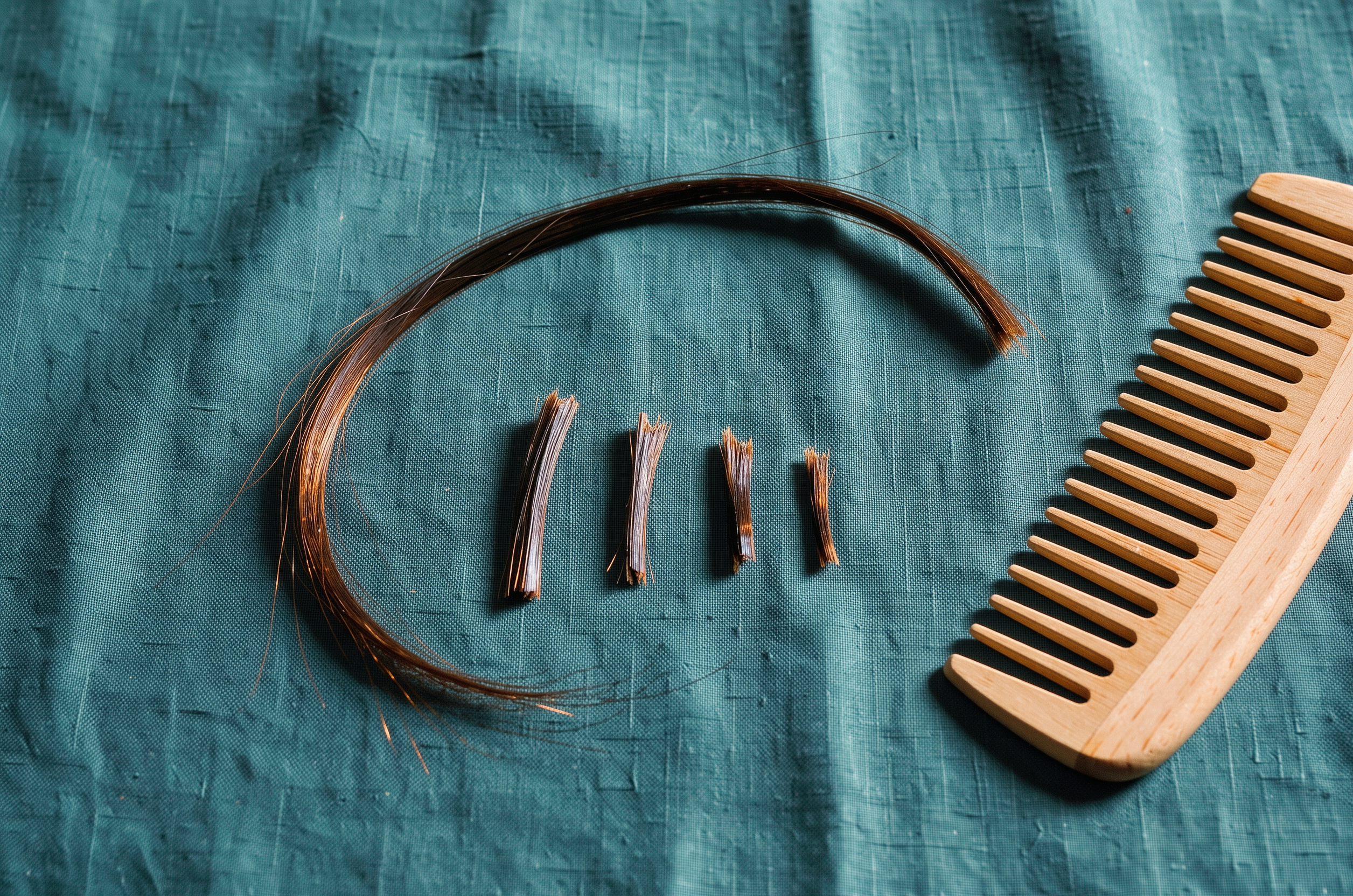
| Short pieces, clearly shorter than your full strands, in the comb after detangling | Strands are snapping partway down while you detangle | Detangle only with plenty of conditioner and work from the ends up |
| Dry, crunchy ends that feel rough | The ends are not holding moisture | Add a leave-in and a sealing oil or butter focused on the last few inches |
| Shorter, broken pieces in one spot, such as where a ponytail or headband sits | Tension or rubbing keeps hitting the same place | Loosen the style, move its position from day to day, and use satin-covered ties |
| A see-through, wispy hem compared with the rest | Ends have been breaking for a while, so the bottom looks uneven | Trim the wispy ends once, then follow the routine below to keep the hem full-looking |
It is common to spot more than one of these at once. The routine below works on all of them together.
Why Your Natural Hair Isn't Getting Longer
Think of your hair as a moving ribbon. New length keeps appearing at the root, while the ends sit at the bottom getting older and more worn. Those ends have been through every wash, comb, hair tie and pillowcase you have used for months or years.
Curly and coily strands have bends and twists along their length. Each bend is a spot where the strand can catch, tangle or snap. That is why textured hair can look stuck at one length even while new length keeps appearing at the root.
Shrinkage hides length too. Coils can sit much shorter dry than when gently stretched, so always judge your length on stretched hair.
So every habit that protects your ends counts toward length you can see. Gentle washing, slow detangling, moisture, night protection and fewer touches all add up.
The Length-Retention Wash-Day Routine, Step by Step
Wash day is when your hair is handled most, so it matters most. Set aside time so you never have to rush. Rushing is when strands snap.
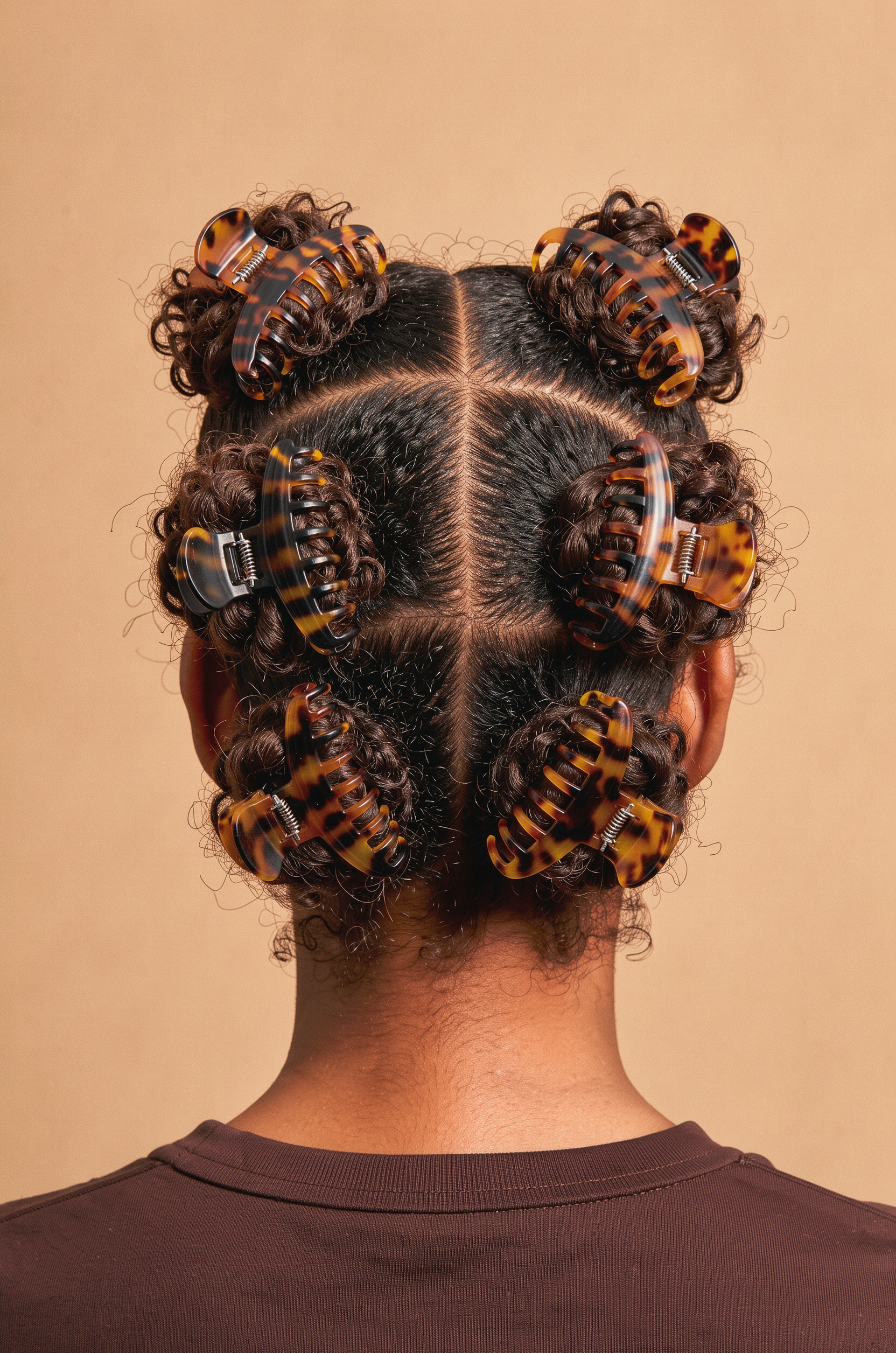
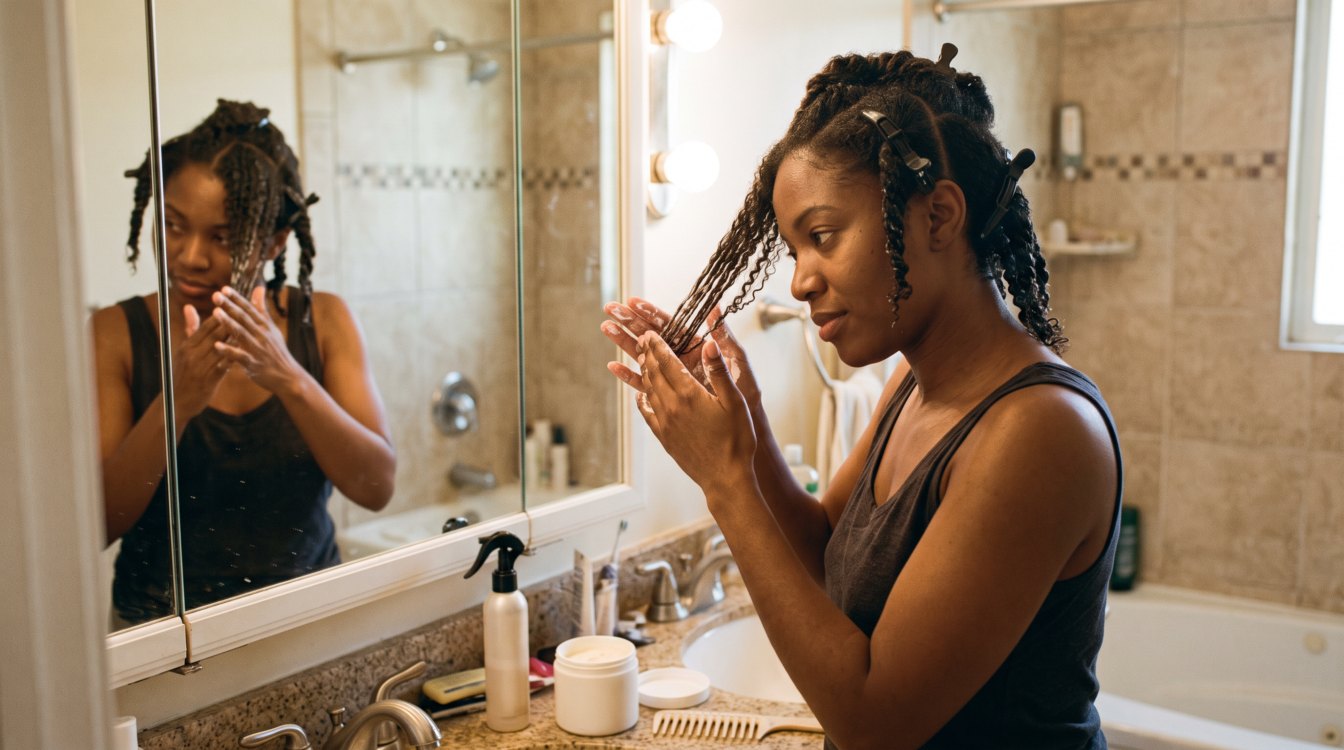
- Pre-detangle with conditioner. Before you step into the shower, split your dry or lightly misted hair into 4 to 8 sections. Coat each section with conditioner and gently separate the biggest tangles with your fingers. Twist or clip each section when you finish.
- Wash in sections. Keep your hair in its sections for the whole wash. Loosen one twist or clip, wash that section, then twist or clip it back so the hair cannot knot together under the water.
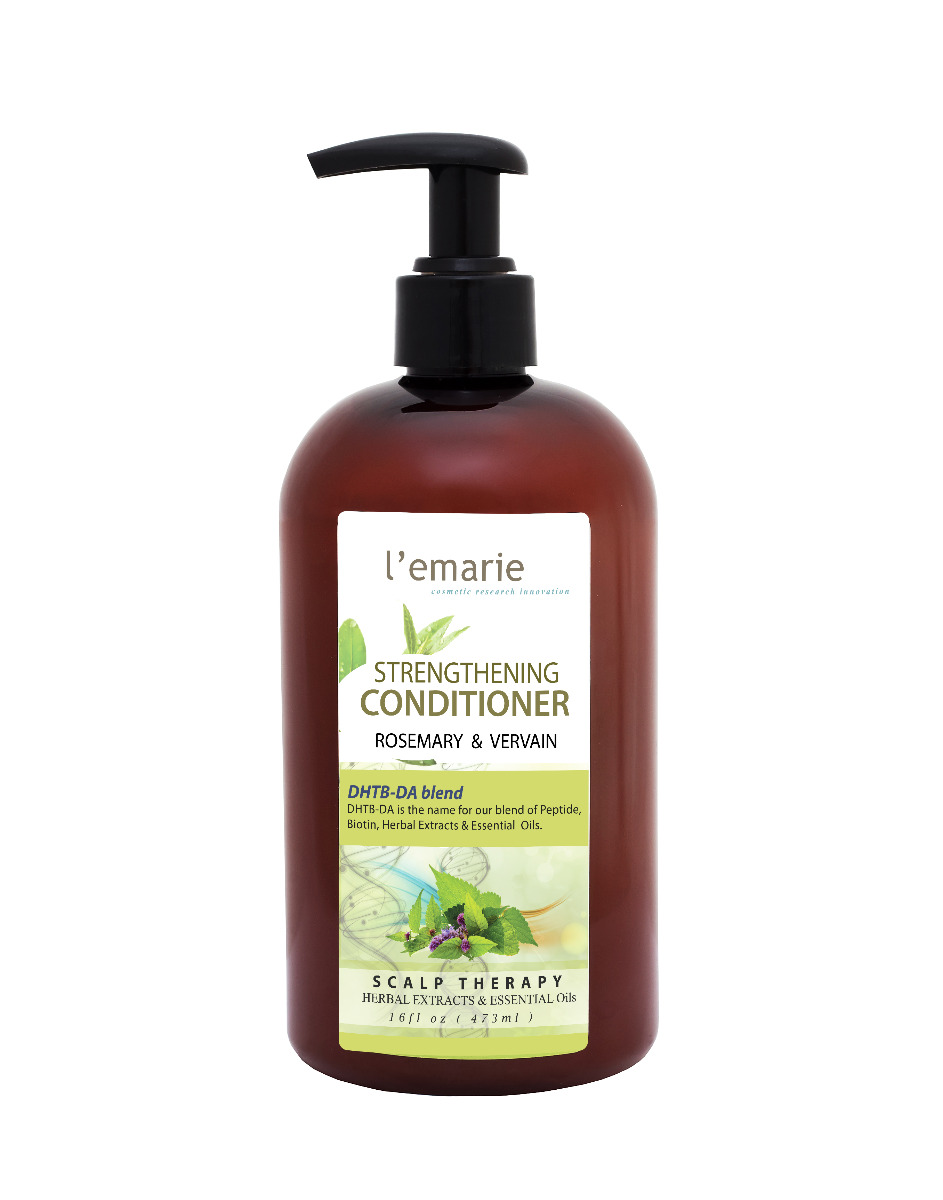
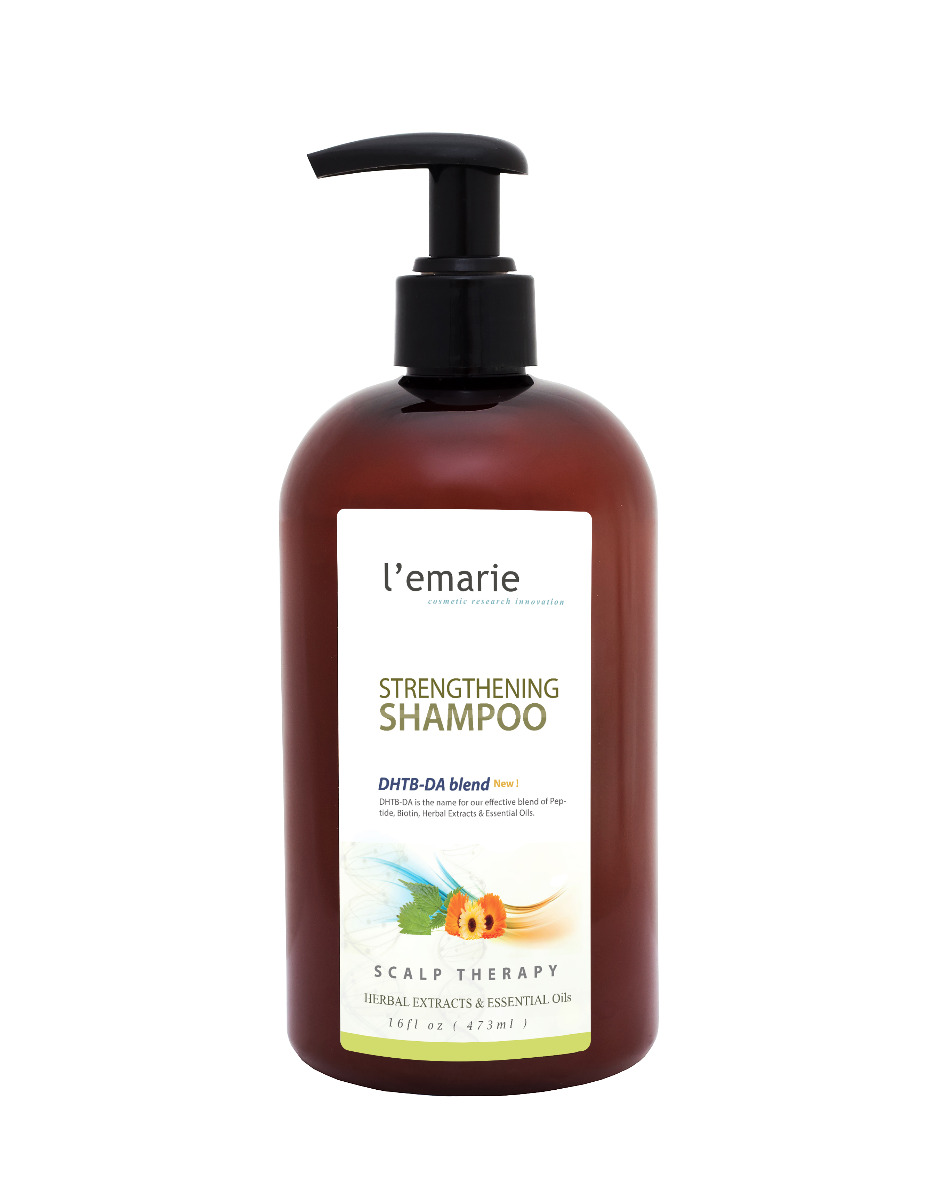
- Cleanse the scalp and hair. Wet your hair well, then spread 2-3 pumps of L'emarie Strengthening Shampoo across your sections. Work it into your scalp and hair with your fingertips, leave it on for 2-3 minutes, then rinse well. It's the shampoo we built this routine around: wash day touches every strand, so we chose one made for breakage-prone hair. Made with pea peptide, biotin and batana oil, it suits curly and coily hair, and you can also find it on Amazon.
- Condition generously. Apply conditioner from mid-length to ends, where hair is oldest. Let it sit for a few minutes so the strands feel slippery.
- Detangle from the ends up. With the conditioner still in, use your fingers or a wide-tooth comb. Start at the last inch, then the last few inches, and slowly work toward the root. Never pull a comb straight from root to tip through tangled curls. Rinse each section once it is detangled. Our guide on how to detangle curly hair goes deeper on this step.
- Apply a leave-in. Squeeze out extra water with a soft T-shirt or microfiber towel instead of rubbing. Then smooth a leave-in conditioner through each damp section, focusing on the ends. If your hair seems to stay dry no matter what you use, try our hair porosity test to choose products that suit it.
- Seal the ends. Press a small amount of oil or butter onto the last few inches. This helps ends feel softer and keeps them from drying out as quickly.
- Finish with a low-tension style. Choose twists, braids, a loose bun or a stretched style that does not pull at your edges or scalp. Air-dry or use low heat.
Between Wash Days: Habits That Protect Your Ends
Protect your hair at night
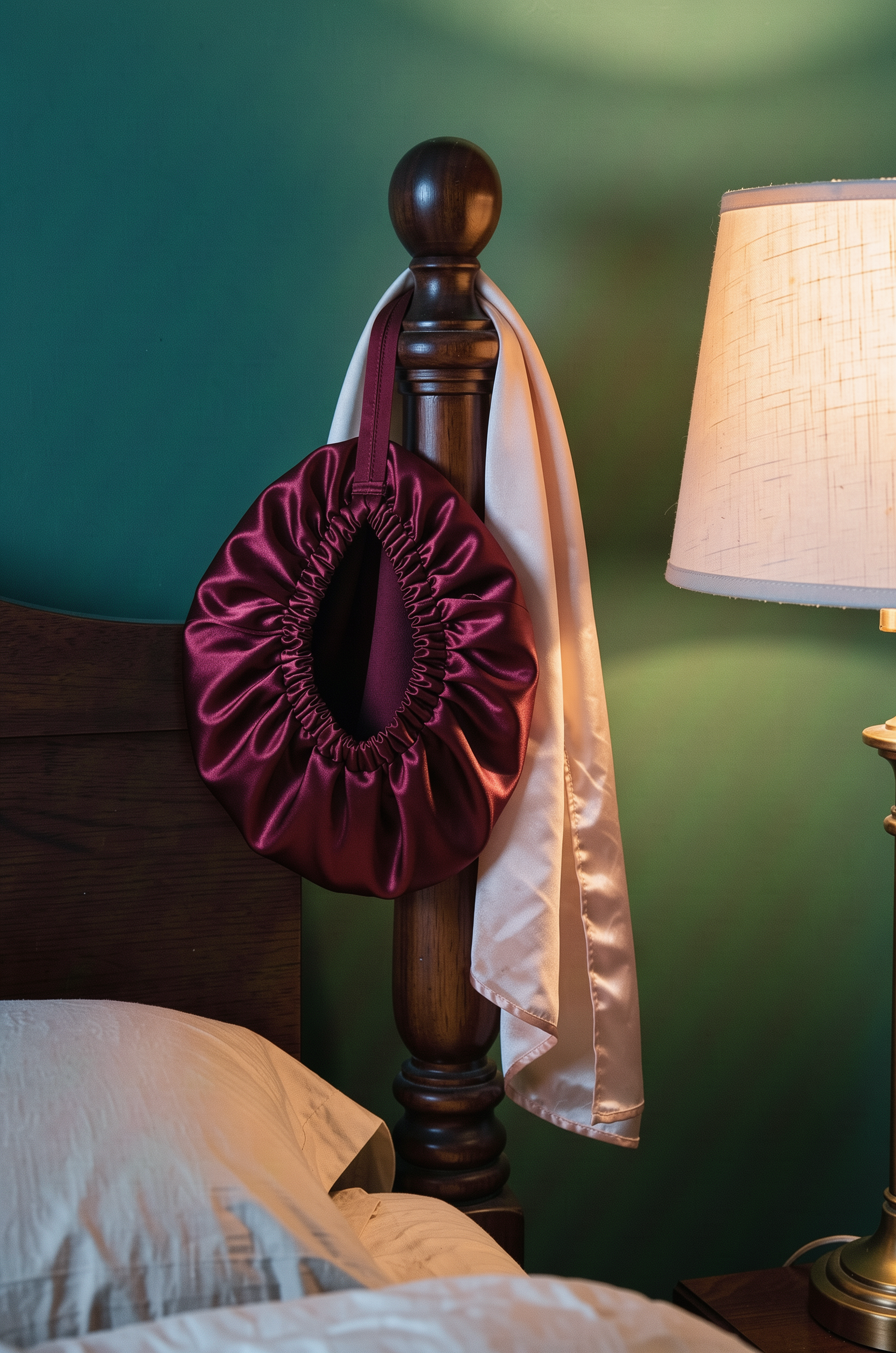
Cotton pillowcases can rub against your ends and pull on them. Sleep on a satin or silk pillowcase, or cover your hair with a satin bonnet or scarf. Put your hair in loose twists or braids, or a pineapple (a loose, high ponytail on top of your head), before bed so your ends are not pressed against the pillow.
Choose low-manipulation styles
Styles that last several days with little handling give your ends a break. Twists, braids, buns and twist-outs you refresh only lightly all work well. The less you comb and restyle, the less your ends wear down.
Touch your ends less
Try to fully handle your ends only on wash day. Between washes, refresh with a little water or leave-in on the lengths, then leave them alone. Playing with your ends and twirling curls when you're bored adds up over weeks.
Trim for knots and splits only
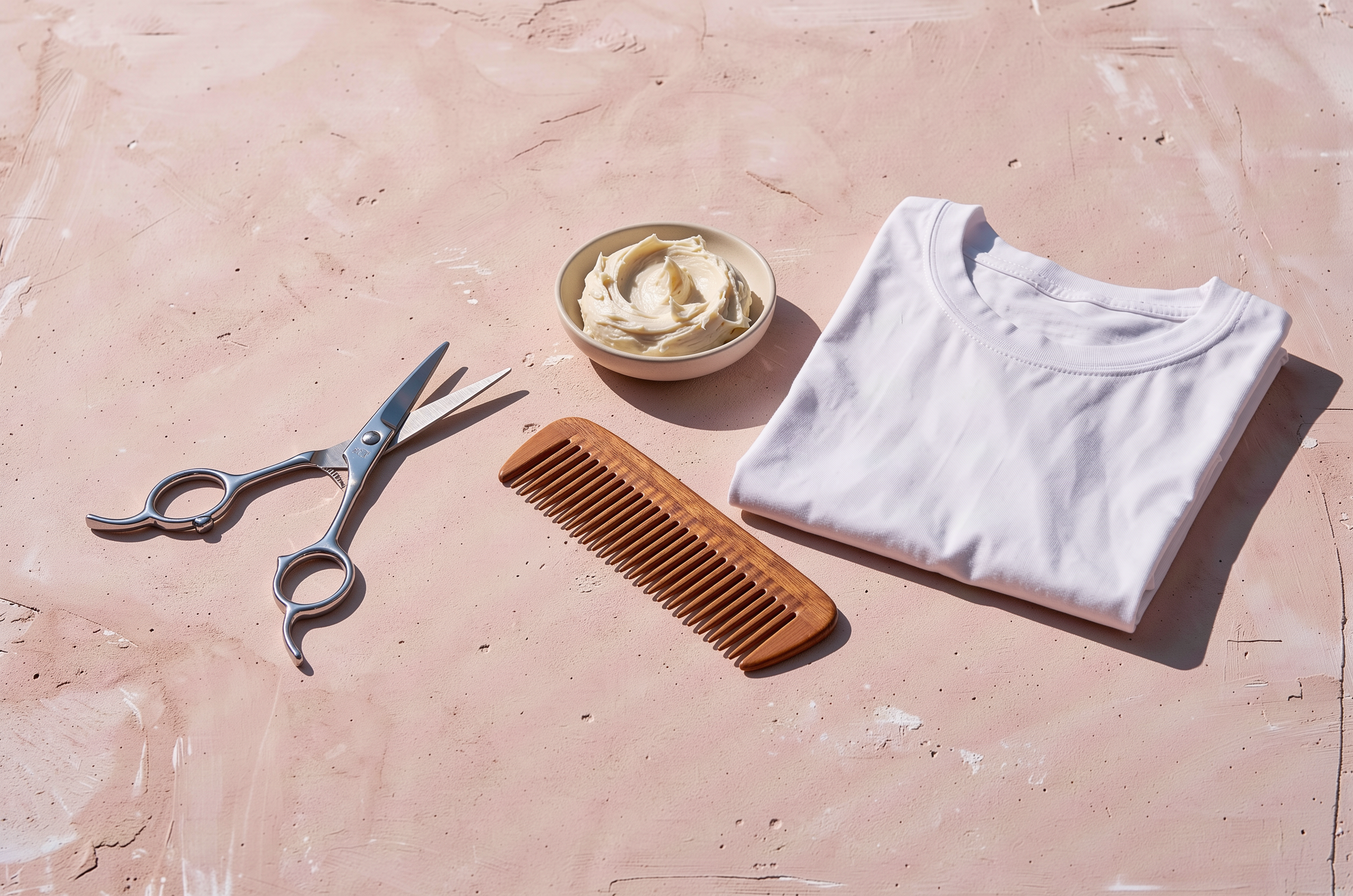
You do not need a big cut every few weeks. Snip single-strand knots and split ends as you spot them, and do a light dusting when the hem starts to look uneven. Use sharp hair scissors, and never snap a knot off with your fingers, which can leave a frayed tip. A small snip now usually means a smaller trim later.
Adjusting the Routine for Your Curl Pattern
Wavy hair (type 2)
Waves can feel weighed down easily. Use lighter leave-ins and a few drops of oil on the ends only. Wavy hair tangles less, so a finger detangle in the shower is often enough.
Curly hair (type 3)
Curls tend to form single-strand knots when they shrink and rub together. Stretching your hair in twists or braids at night helps a lot. Detangle in sections every wash day, always with conditioner in your hair and never when it is dry.
Coily hair (type 4)
Coils have the most bends, so they need the most slip and patience. Pre-detangling is a must. Lean on richer leave-ins and butters for sealing, and keep your hair stretched in protective or low-manipulation styles most of the week.
Very dense hair
Thick, dense hair hides tangles deep inside each section. Use more sections, even 8 to 12, and smaller amounts of product per section so it reaches every strand. Give yourself extra time on wash day.
What to Expect: Week by Week and Month by Month
Weeks 1-2: You may notice fewer short broken pieces in your comb and on your bathroom floor. Detangling may feel faster and smoother.
Weeks 3-4: Your ends may feel softer and less crunchy. Single-strand knots become easier to spot.
Months 2-3: The ends may start to look fuller rather than wispy. Your hem stays more even between trims, and twist-outs or braid-outs hold together at the bottom.
Months 4-6 and beyond: This is when the length you keep becomes easier to see. Line up your monthly photos: with fewer ends breaking off, your hem may sit lower on your length-check shirt than it did at the start.
Track it so you don't have to guess. Take your first photo today, before you change anything, then one a month of the back of your hair in the same light and the same stretched style. You can also use a length-check shirt, a plain top you wear only for these photos, so you can see where your ends fall each month. If your comb and ends look the same after a month, redo the 1-minute check. It can point you to the one habit, such as rushed detangling or unprotected nights, that still needs to change.
Change These 5 Things This Week
- Switch to a satin pillowcase, bonnet or scarf tonight.
- Pre-detangle with conditioner before your next wash, in sections.
- Detangle from the ends up, never root to tip.
- Seal your ends with a little oil or butter after your leave-in.
- Trim any single-strand knots and split ends you can see.
Frequently Asked Questions
How often should I trim natural hair to retain length?
Trim based on what your ends look like, not the calendar. If your ends feel smooth and your hem looks even, you can wait.
Do protective styles help with length retention?
Yes, when they are done gently. Braids, twists and buns tuck your ends away and cut down on daily handling. Keep them low-tension, moisturize your hair underneath, and take them down slowly with plenty of conditioner so you keep the length you protected.
How do I stop single-strand knots?
Keep your hair stretched, especially overnight, with twists, braids or a pineapple. Keep your ends moisturized and sealed, and sleep on satin. Trim any knots you find right away so they don't catch other strands.
How often should I wash natural hair?
It depends on your scalp, your styles and your week. Washing too often can mean more handling, while waiting too long can lead to more tangles. Our guide on how often you should wash your hair can help you find your rhythm.
Why does my hair break more at the back?
The back rubs against collars, chairs, seat backs and pillows all day. It is also harder to see, so tangles there get rushed. Give the back sections extra conditioner and patience on wash day, and keep them tucked into your style.
Keeping length comes down to protecting your ends. Once the breakage slows down, the length you keep starts to show.