
Hair breaks when a strand is put under more strain than it can take. The usual culprits are everyday habits: high heat, rough towel drying, brushing wet hair from the roots, tight elastics, pillow friction, bleach or color, overdue trims and plain dryness.
Most of these can be changed this week. The short snapped pieces on your brush can even tell you which one to start with.
First, is it really breakage?
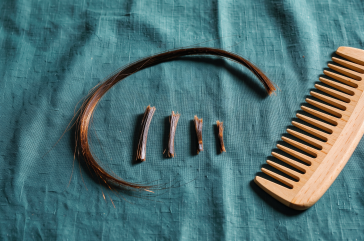
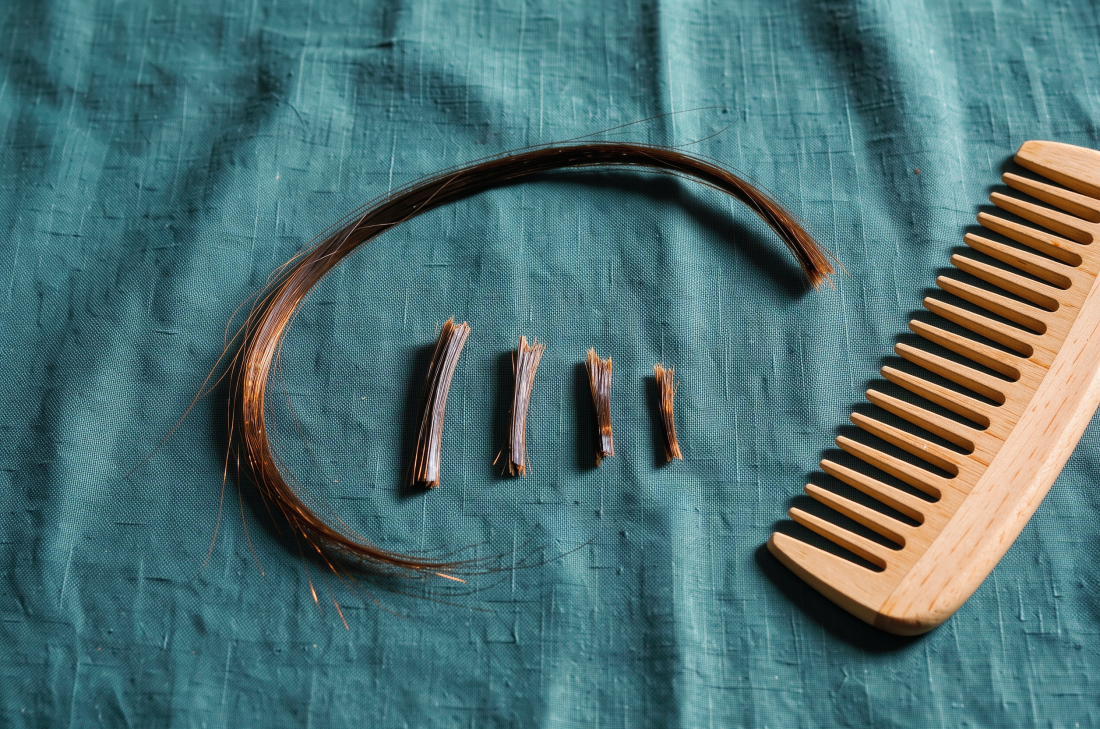
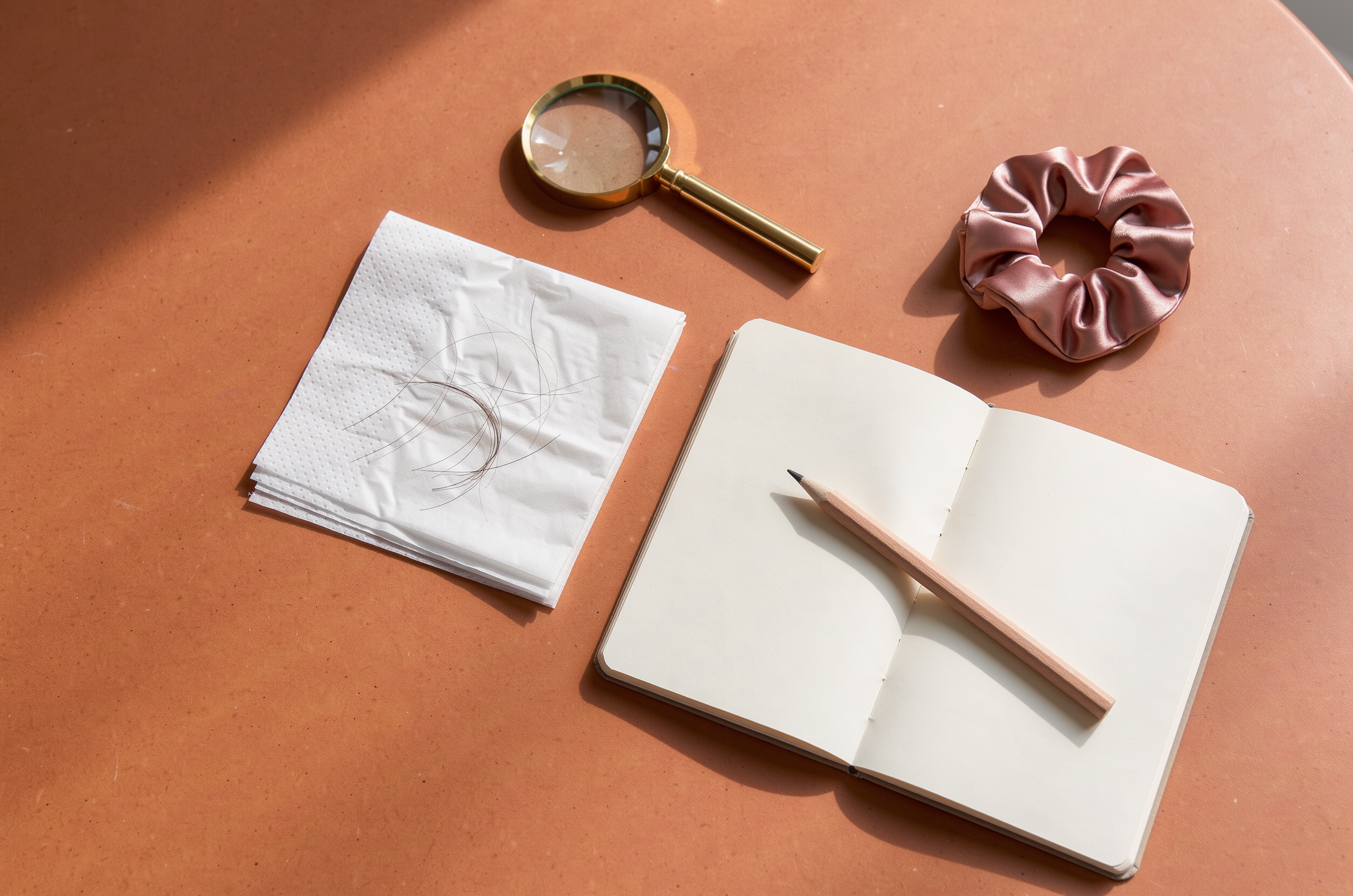
Pick up a few pieces and hold them against a white tissue. A full-length strand with a tiny pale bulb at one end is a whole hair that came away naturally. Everyone sees some of those every day, and they are not breakage.
A broken piece is shorter than the rest of your hair and has no bulb. Its end may look blunt, frayed or split. Those are the pieces this guide is about.
The 1-minute strand check
Gather the short pieces from your brush, towel or pillow. Notice what they look like and where on your head they seem to come from, then find the closest match below.
| What you see | What it usually means | What to change |
|---|---|---|
| Short pieces around the face or crown | Rough handling or tight styles | Wear styles looser, use soft ties, brush that area gently |
| A band of broken pieces at ponytail height | An elastic sitting in the same spot | Move your ponytail up or down each day and switch to a scrunchie |
| Frayed tips or tiny white dots on the ends | Split ends that are travelling up the strand | Get a small trim, then cut back on heat and friction |
| Lots of pieces right after brushing wet hair | Your detangling habit | Comb from the ends up, with conditioner in |
| Dry, rough, stiff lengths that snap when bent | Dryness | Condition every wash, add a leave-in, turn the heat down |
| Stretchy, limp-when-wet lengths after bleach or color | Over-processed, fragile hair | Space out color services and handle with extra care |
More than one row can fit, and that's common. Start with the row that matches the most pieces.
What causes hair breakage, and one fix for each
Heat styling
Hot tools dry out the outer layer of the strand, so it feels stiff and snaps instead of bending. Fix this week: use the lowest setting that still works, apply a heat protectant first, and add one extra heat-free day.
Rough towel drying
Wet hair stretches easily, and rubbing it with a terry towel roughs up the surface and tugs at knots. Fix this week: squeeze water out with your hands, then blot with a microfiber towel or a soft cotton T-shirt.
Brushing wet hair from the roots
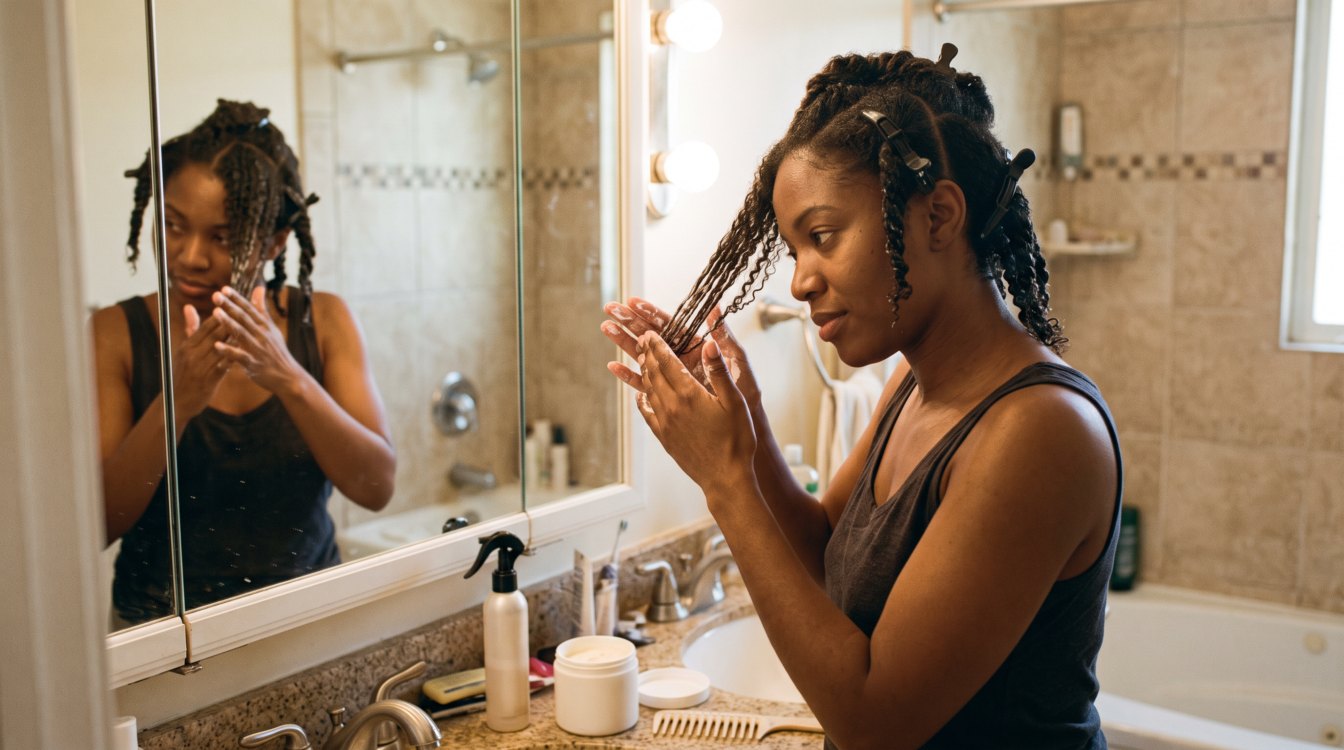
Starting at the top pushes every tangle down into one tight knot, and the brush then rips through it. Fix this week: detangle from the ends upward, a few inches at a time, with a wide-tooth comb.
Tight elastics
A tight tie in the same place every day rubs and bends the same few inches of hair. Fix this week: switch to fabric scrunchies or soft coil ties, wear styles looser, and change the position daily.
Cotton pillowcases
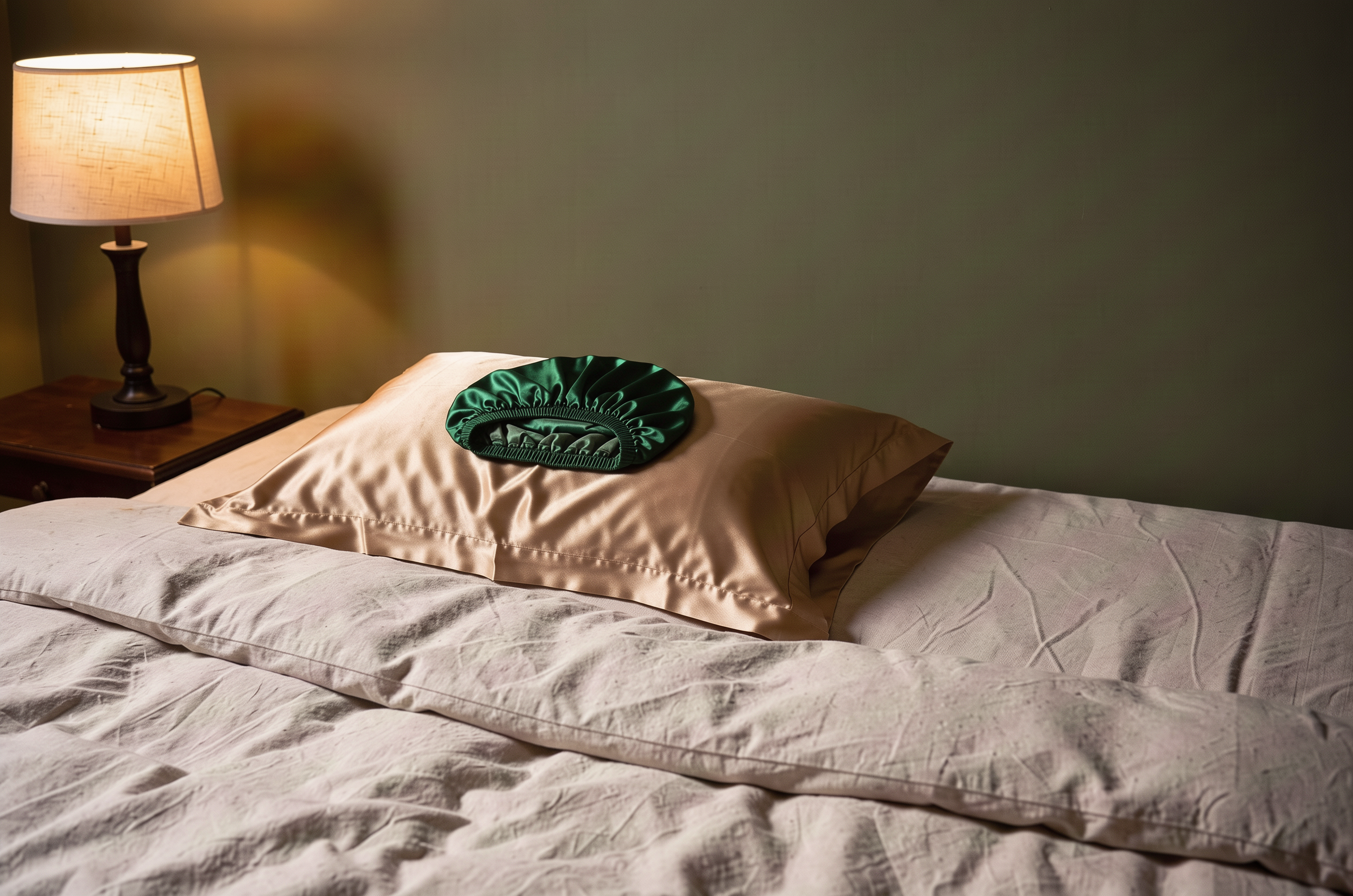
Cotton grips hair as you turn at night, which roughens the surface and leaves tangles by morning. Fix this week: sleep on a silk or satin pillowcase, or wrap your hair in a satin bonnet or scarf.
Bleaching and color
Lightening and coloring change the structure of the strand, leaving it more fragile and quicker to dry out. Fix this week: plan longer gaps between appointments and ask for root-only touch-ups instead of re-processing the lengths.
Skipped trims
A split end doesn't stay put. It can travel up the strand until the piece snaps off higher, which is why ends start to look wispy. Fix this week: book a small trim, then keep to a regular schedule.
Dryness
Dry hair has little flex, so it cracks under everyday bending and brushing. Fix this week: condition mid-lengths and ends after every wash, and add a leave-in conditioner.
A wash-day routine for less breakage
You can start this tonight. It takes only a few minutes longer than a rushed wash.
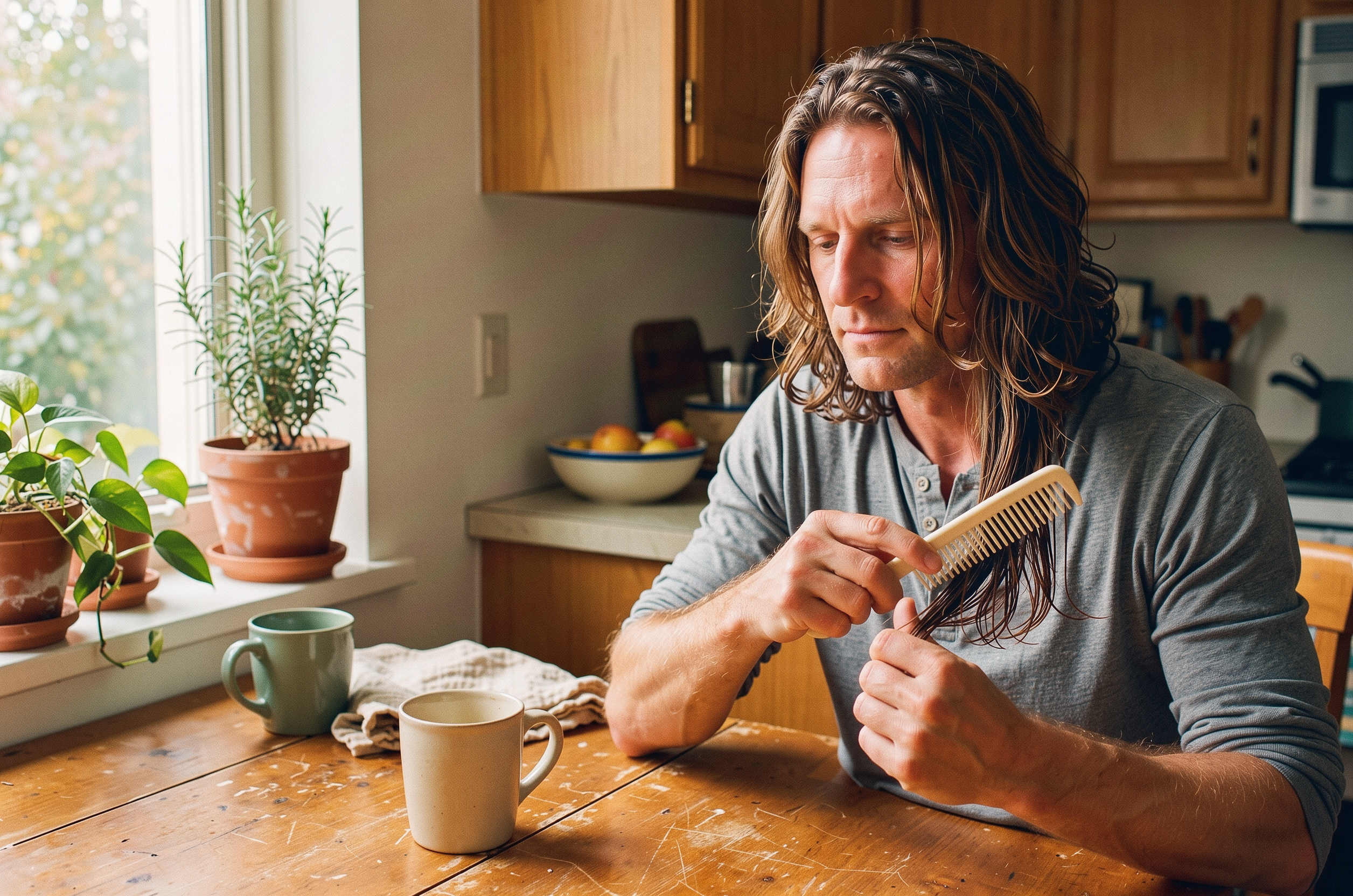
- Loosen knots first. Before you step into the shower, gently separate big tangles with your fingers so they don't tighten under water.
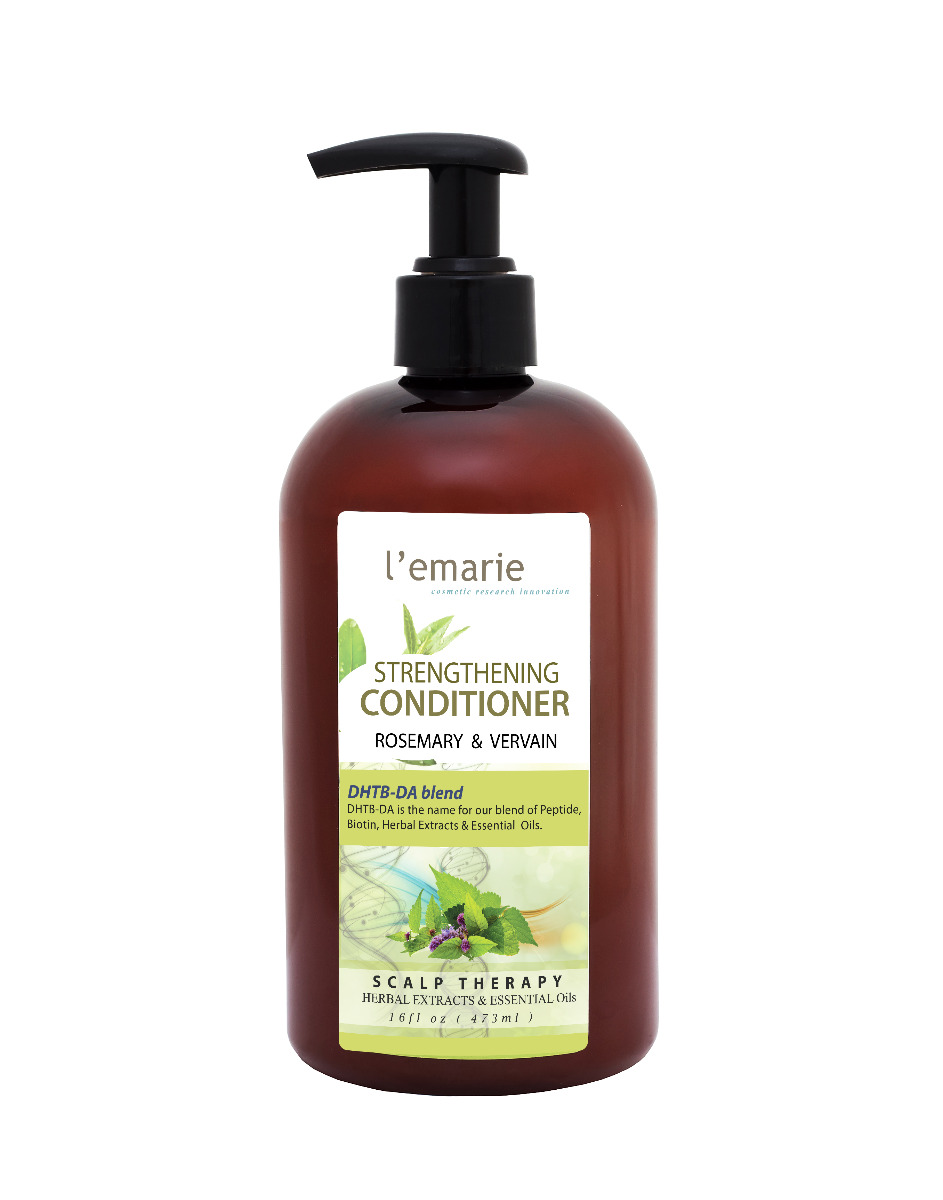
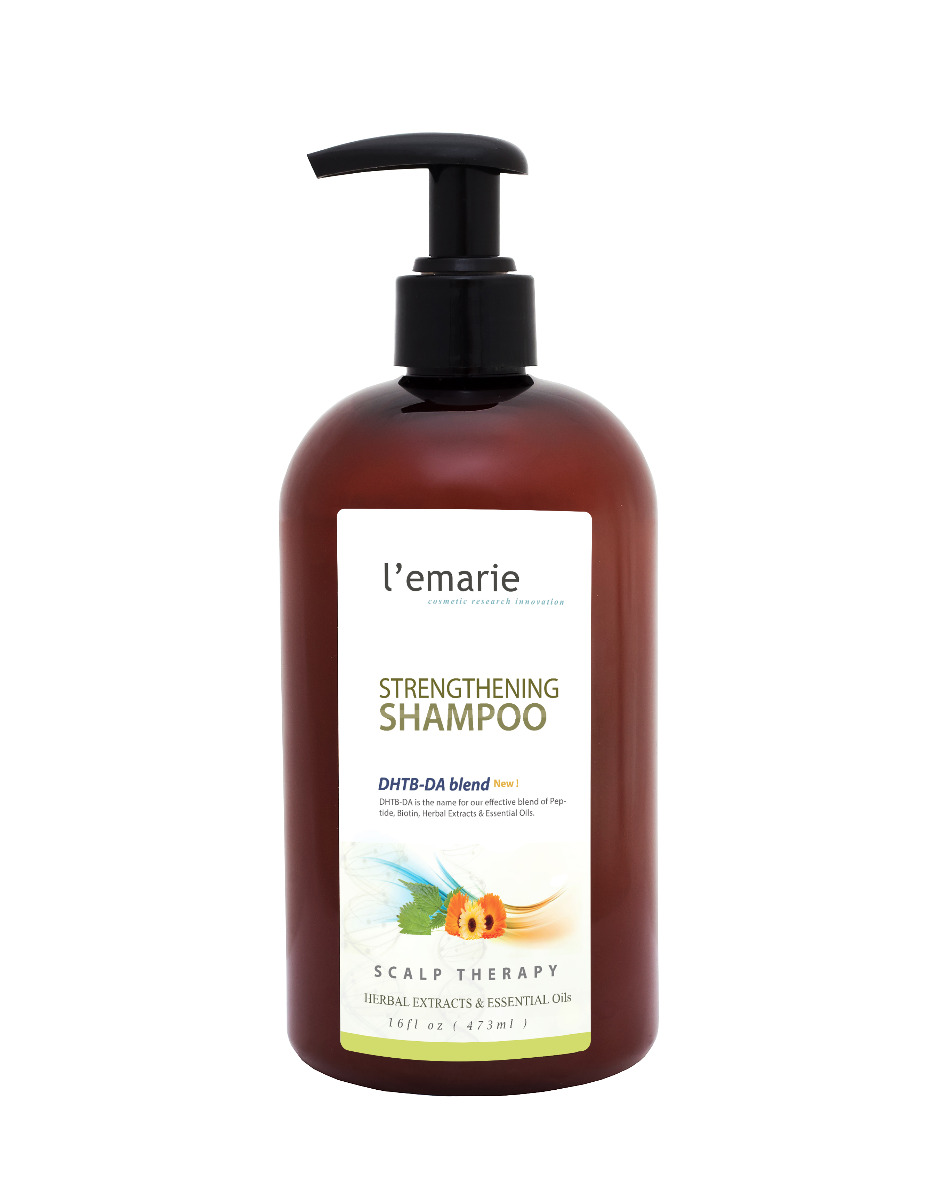
- Wash gently. Use lukewarm water. For a shampoo made for hair that feels stronger, try L'emarie Strengthening Shampoo (Pea Peptide & Biotin Shampoo), made with pea peptide, biotin, caffeine, batana oil and keratin. Wet hair, apply 2-3 pumps, work into scalp and hair, leave on for 2-3 minutes, then rinse. Smooth the lather down your lengths instead of piling hair on top of your head. It suits all hair types, including curly and coily hair, and is also available on Amazon. New to peptides? Read what a peptide shampoo is and how to use it.
- Condition and detangle. Apply conditioner from mid-lengths to ends. While it's in, comb from the ends upward with a wide-tooth comb, holding the hair above each knot.
- Rinse and squeeze. Rinse well, then press the water out with your hands. Never wring or twist.
- Blot dry. Wrap or blot with a microfiber towel or cotton T-shirt. No rubbing.
- Shield before styling. Apply a leave-in conditioner and, if you'll use heat, a heat protectant. Air-dry until hair is mostly dry, then finish on low heat.
- Set up for sleep. Once hair is fully dry, put it in a loose braid or a low bun with a scrunchie, and sleep on silk or satin.
Not sure how many wash days you need? See how often you should wash your hair.
Adjust the routine for your hair type
Straight hair
Oil travels down straight strands quickly, so you may wash more often. Keep conditioner light and on the ends only. Your main risks are hot tools and daily ponytails, so focus on steps 6 and 7.
Wavy hair
Waves tangle most at the nape and underneath. Detangle only with conditioner in, then scrunch water out with a T-shirt. If you diffuse, use low heat and stop when hair is mostly dry.
Curly hair
Skip dry brushing completely, and save all detangling for step 3. Work in four or more sections, using your fingers or a wide-tooth comb and plenty of conditioner for slip. Our guide on how to detangle curly hair walks through it.
Coily hair
Every bend in a coil is a spot where a strand can snap, so gentleness matters most here. Wash and detangle in sections, keeping finished sections loosely twisted. Layer a leave-in with a cream or oil on the ends, choose low-tension styles, and sleep in a satin bonnet.
What to expect, week by week
Hair that has already snapped won't rejoin, so progress shows up as less new breakage. Every head of hair is different, but here is what to look and feel for.
- Weeks 1-2: Fewer snapped pieces in the brush, on the towel and on your pillow. Detangling feels quicker and calmer.
- Weeks 3-4: Smoother-feeling ends that catch less on your fingers and clothes. Lengths feel softer and more flexible.
- Weeks 6-8: With a trim and steady habits, ends look neater and more even. Short pieces around the face blend in better as they get longer.
- Beyond: Ends look fuller as they grow out, and your hair keeps its length instead of snapping at the same point.
Change these 5 things this week
- Swap your towel. Blot with microfiber or a cotton T-shirt instead of rubbing.
- Detangle from the ends up. Wide-tooth comb, conditioner in, small sections.
- Turn the heat down. Lowest setting that works, heat protectant every time, one more heat-free day.
- Switch your hair ties. Soft scrunchies, looser styles, a new position each day.
- Change what you sleep on. Silk or satin pillowcase, or a satin bonnet.
Hair breakage FAQ
Is breakage normal?
A little, yes. Hair goes through a lot of washing, brushing and styling, so a few short pieces now and then are expected, especially on longer hair where the ends are oldest. Many snapped pieces every day, or ends that look wispy and uneven, point to a habit worth changing.
Why does my hair break when I brush it?
Usually because the brush meets a tangle and pulls straight through it. Starting at the roots, brushing fast, or brushing wet hair without conditioner all make it worse. Hold the section above the knot, start at the ends, and work up slowly.
Should I cut off the broken ends?
A trim is the only way to remove split or frayed ends, and it stops splits from travelling higher. You don't need a big chop. A small trim followed by gentler habits helps you keep more length than leaving the ends alone.
How do I protect my hair at night?
Go to bed with fully dry hair. Wear it in a loose braid or a low bun with a scrunchie, or gather curls loosely on top of your head. Add a silk or satin pillowcase or a satin bonnet to cut down on friction.
Start with the strand check, pick the habit that matches most of your broken pieces, and change that one first. Small, steady changes are what help hair keep its length.